FIELD NOTES:  Liquid Herbal TINCTURES 

What Is a Liquid Herbal 

tincture

and Why Does the Format Matter?

Liquid herbs work fast. Here’s why that’s not marketing — it’s chemistry. We’ve been crafting them since 1979. This is how we think about them. 

Practitioner's format of choice for centuries

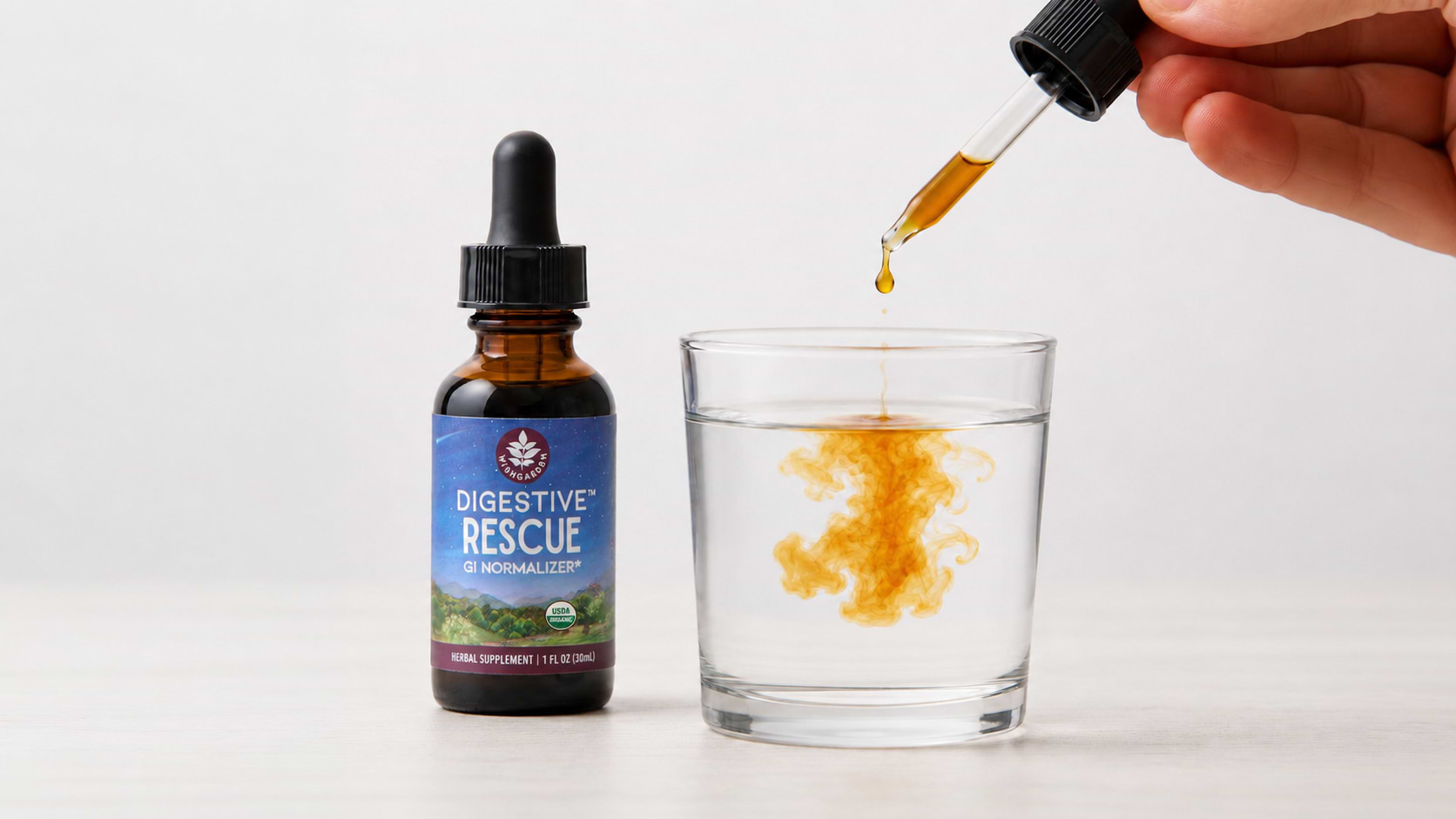
Liquid herbal extracts have been the practitioner's format of choice for centuries, and for good reason. When herbs are already dissolved, your body can begin interacting with those plant compounds right away. No breakdown required. No waiting for a tablet to disintegrate or a capsule to dissolve. 

⇩ READ THE SCIENCE

SHOP TINCTURES

Title

Crafted in our own NSF GMP & USDA Organic facility

the science

Fast-acting
is 
chemistry,
not 
marketing.

The difference between a liquid extract and a capsule isn’t convenience. It’s the path your body has to walk before anything starts to happen.

The long way around

Solid dosage forms have to earn their way into your system.

1

Disintegration

The capsule shell breaks down in the stomach. Several minutes.

2

Dissolution

Powdered herb dissolves into stomach fluid. The slow step.

3

GI Absorption

Compounds finally cross the gut wall and reach the bloodstream.

30–90 minutes

typical onset

Dissolution is the rate-limiting step for most solid forms.

Already dissolved.

The herbs arrive ready. Two steps disappear.

1

Sublingual + GI

Compounds quickly cross the gut wall and reach the bloodstream.

15-30 minutes

Sublingual onset

Skips two of the slowest steps in solid-form absorption.

For many solid dosage forms, that dissolution step is the slowest part of the whole process, which pharmacokinetics researchers call the "rate-limiting step." (Read the study)

“When herbs are delivered in a liquid, pre-dissolved format, the body can begin interacting with those compounds more readily than formats that require breakdown first.”

- Dr. Erin STokes, ND, Medical Director, Wishgarden Herbs

That’s what we mean by “fast-acting” — the format, not a guaranteed timing of effects. Everyone is different. But the mechanism that makes liquid extracts more readily available for absorption than solids is established pharmacokinetics, not marketing. 

→ See how we recommend dosing for the fastest effect, medium support, and long-term tonic use

02. format matters

Liquid.
Capsule.
Gummy.

Three formats, three very different propositions. Here’s what each one actually delivers — herb content, additives, dosing flexibility, and where each one shines. Tap a metric to compare across formats.

  • HERB CONTENT

  • SPEED

  • DOSE FLEX

  • PURITY

Format Matters
Liquid. Capsule. Gummy.

Three formats, three very different propositions. Tap a metric to compare.

our format
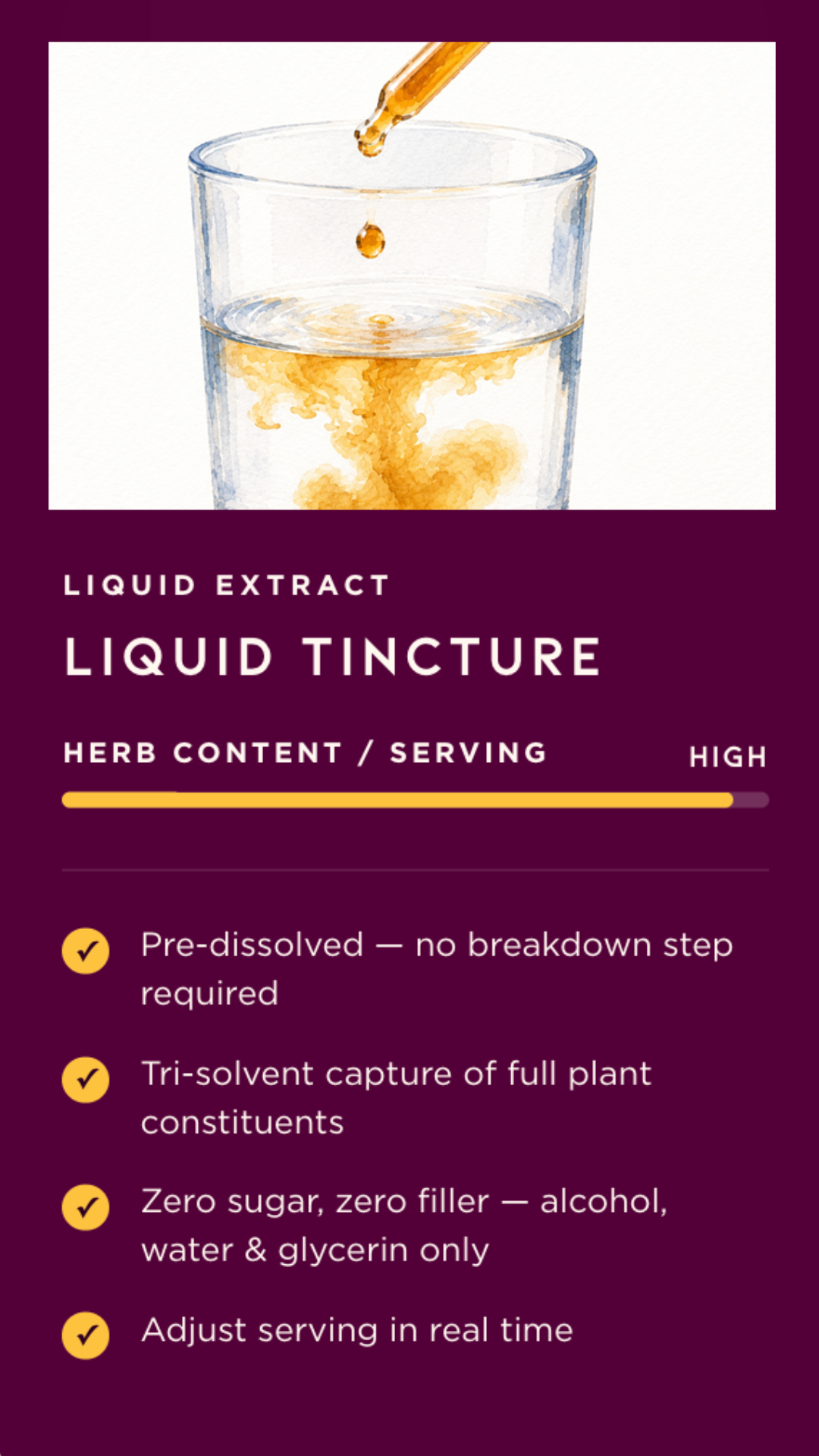
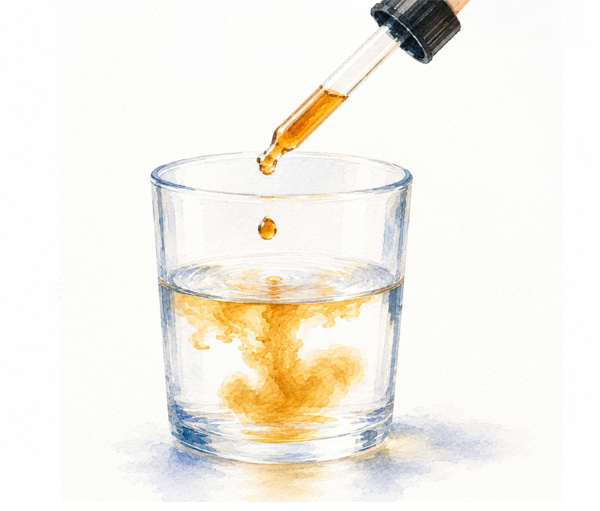
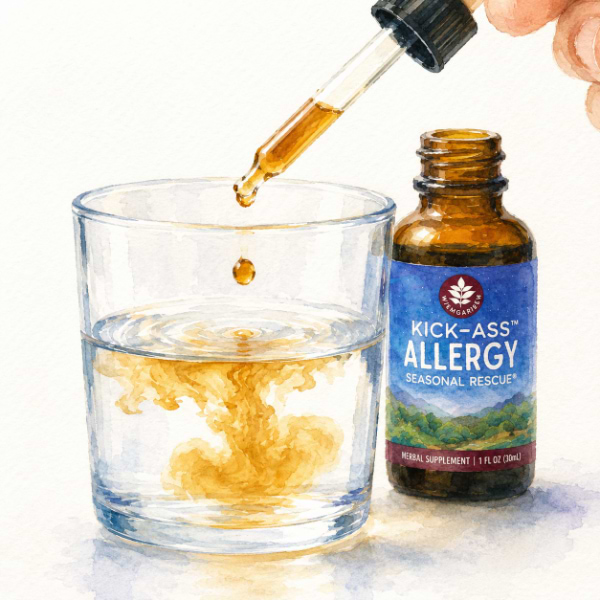
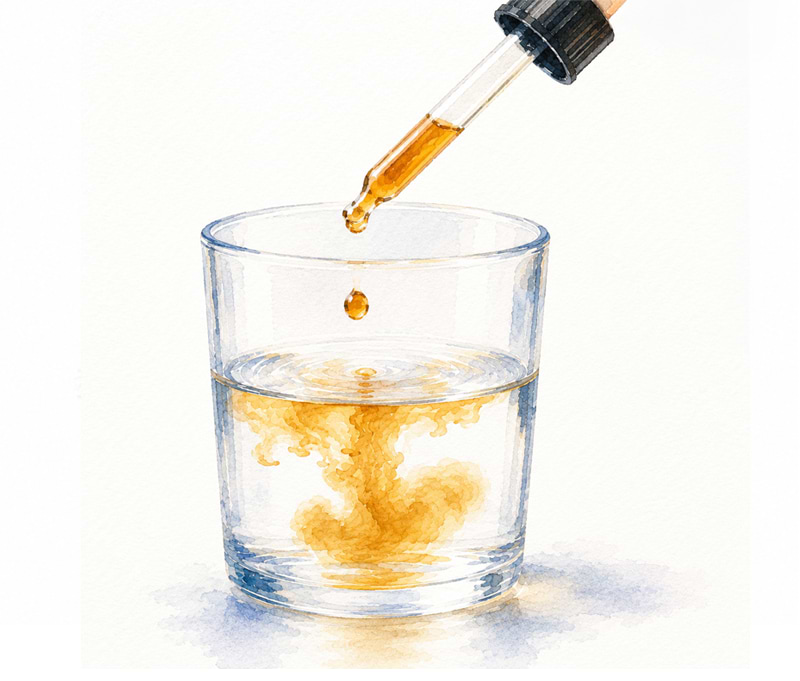
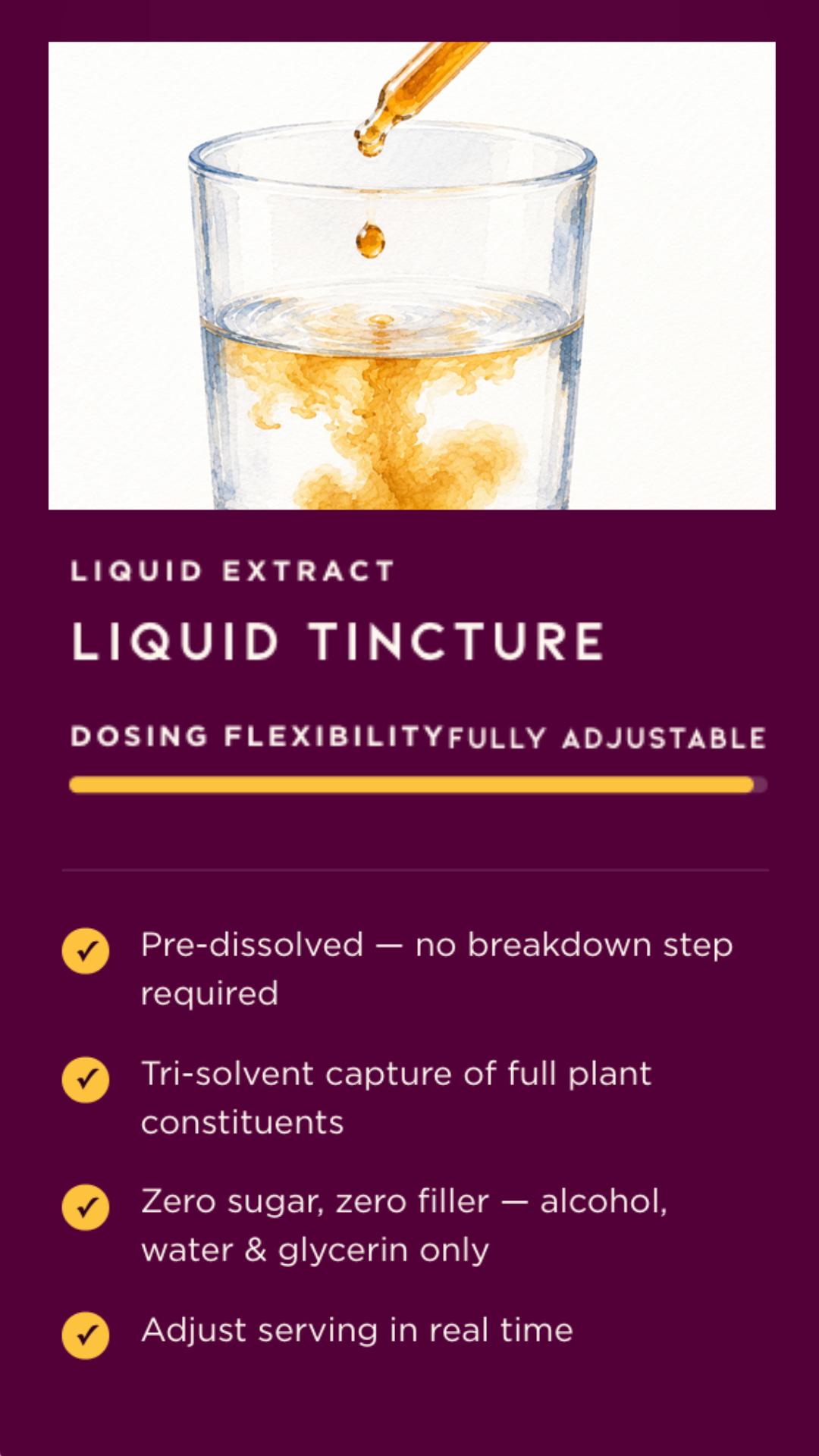
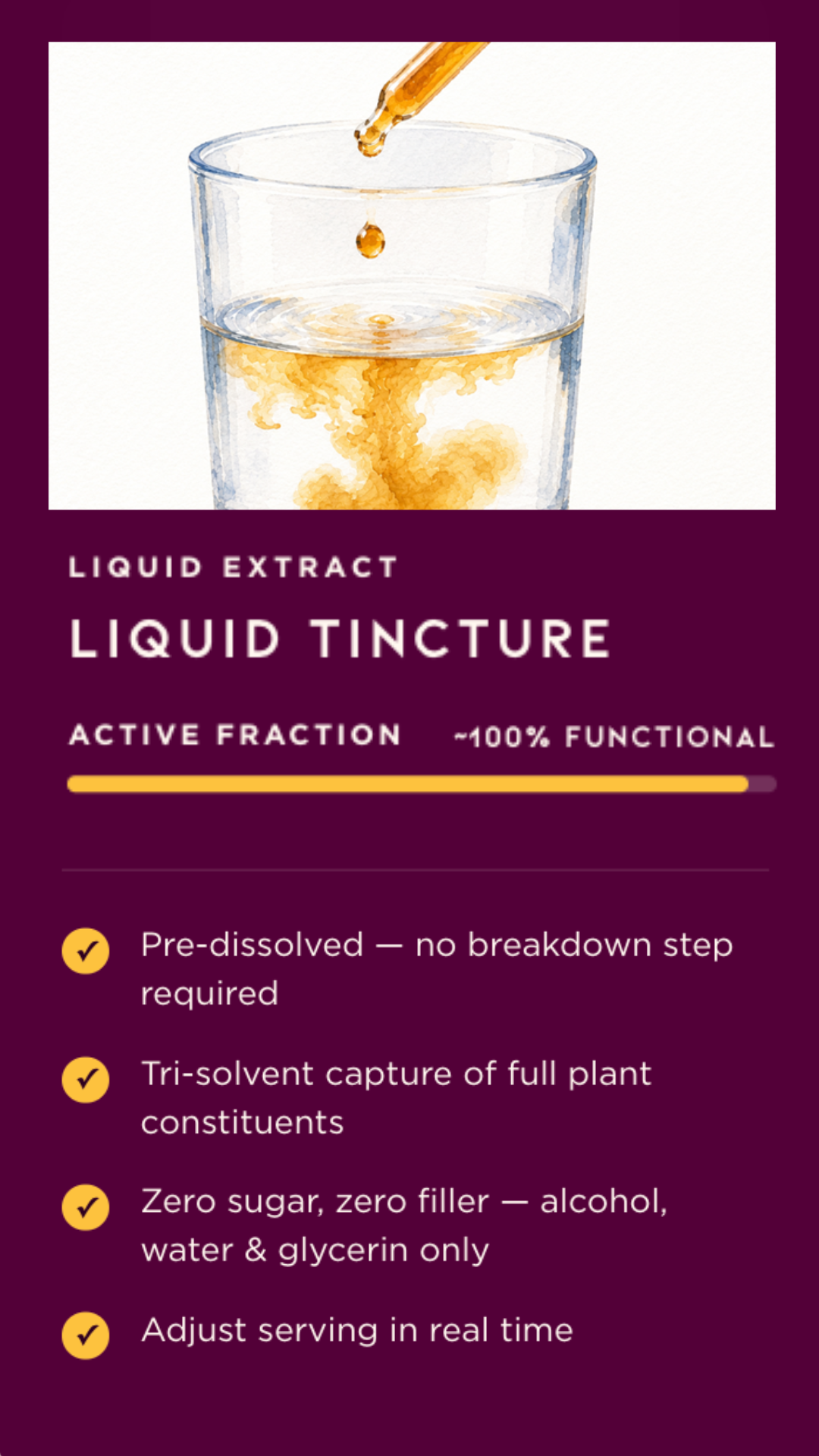
Watercolor dropper releasing tincture into a glass of water
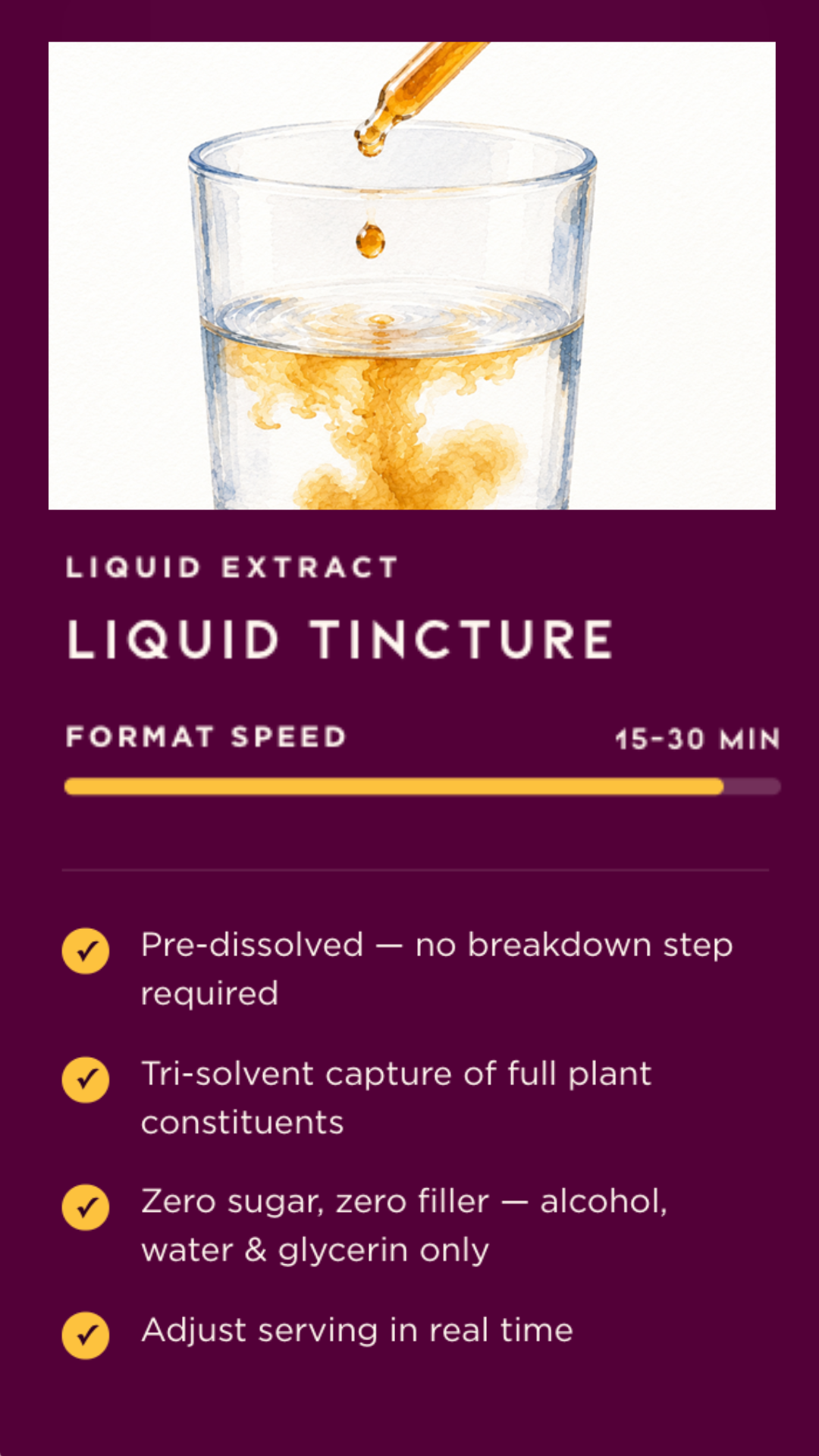
Liquid extract

Liquid Tincture

  • Herb content / servingHigh
  • ✓Pre-dissolved — no breakdown step required
  • ✓Tri-solvent capture of full plant constituents
  • ✓Zero sugar, zero filler
  • ✓Adjust serving in real time
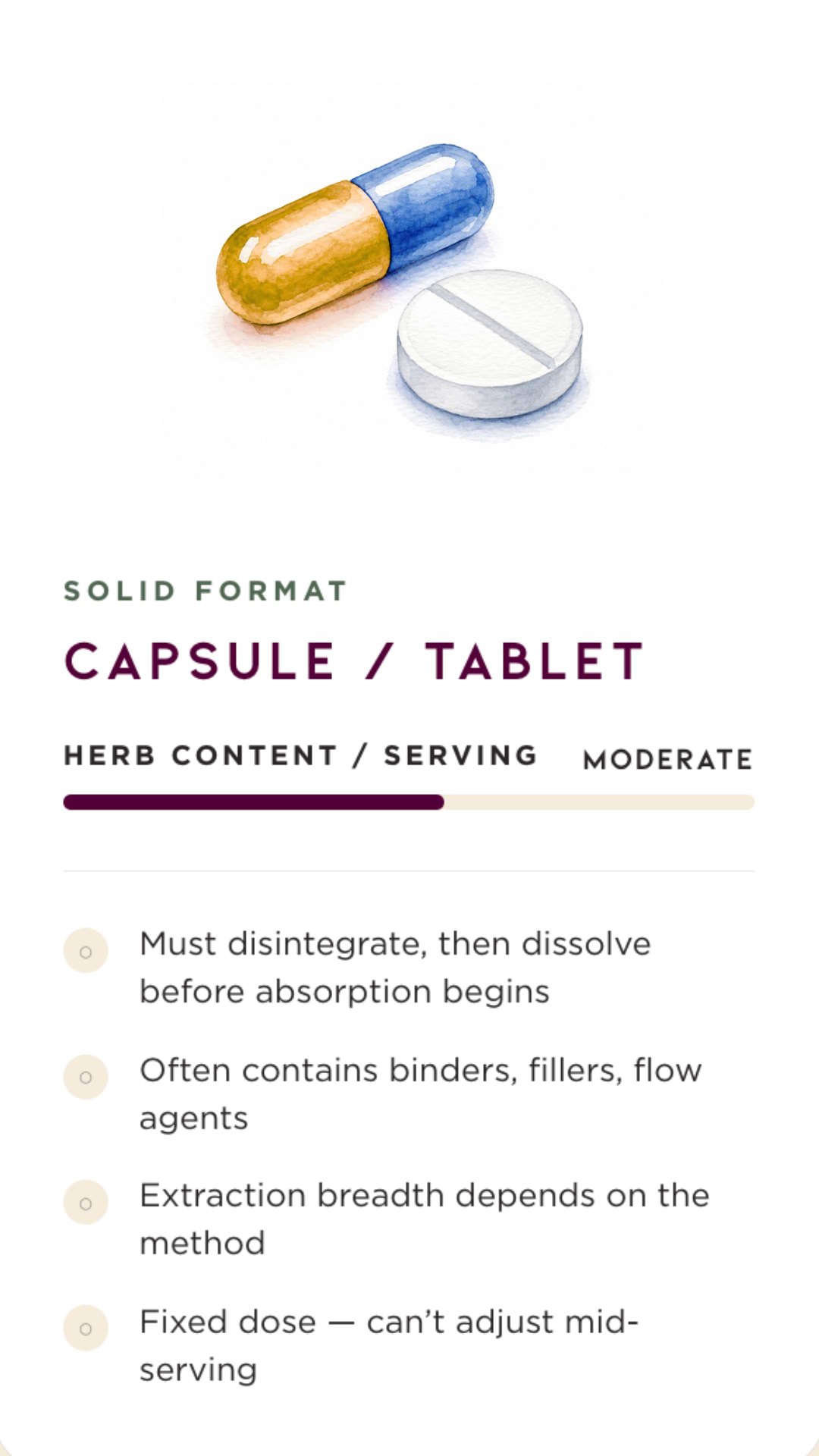
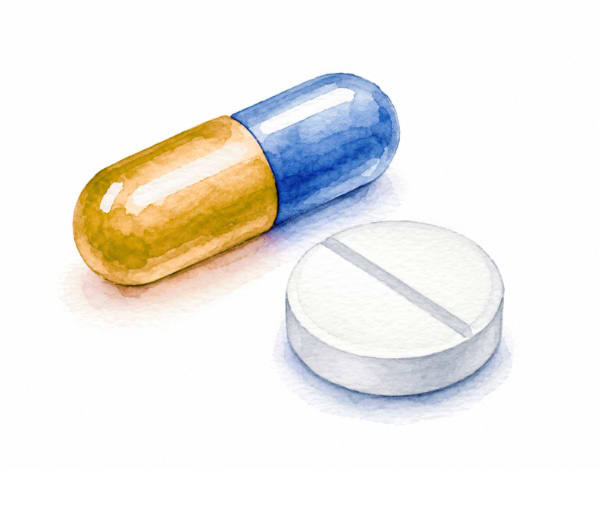
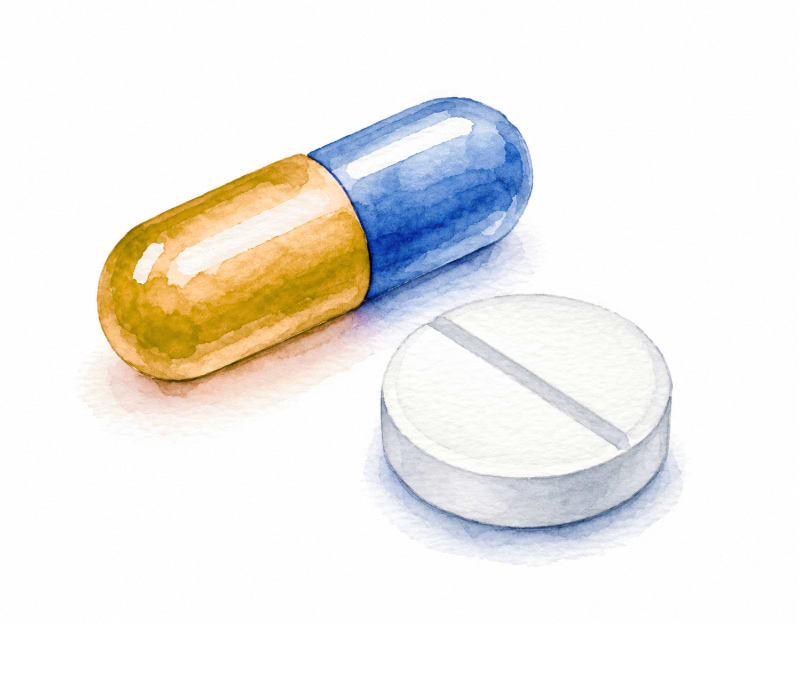
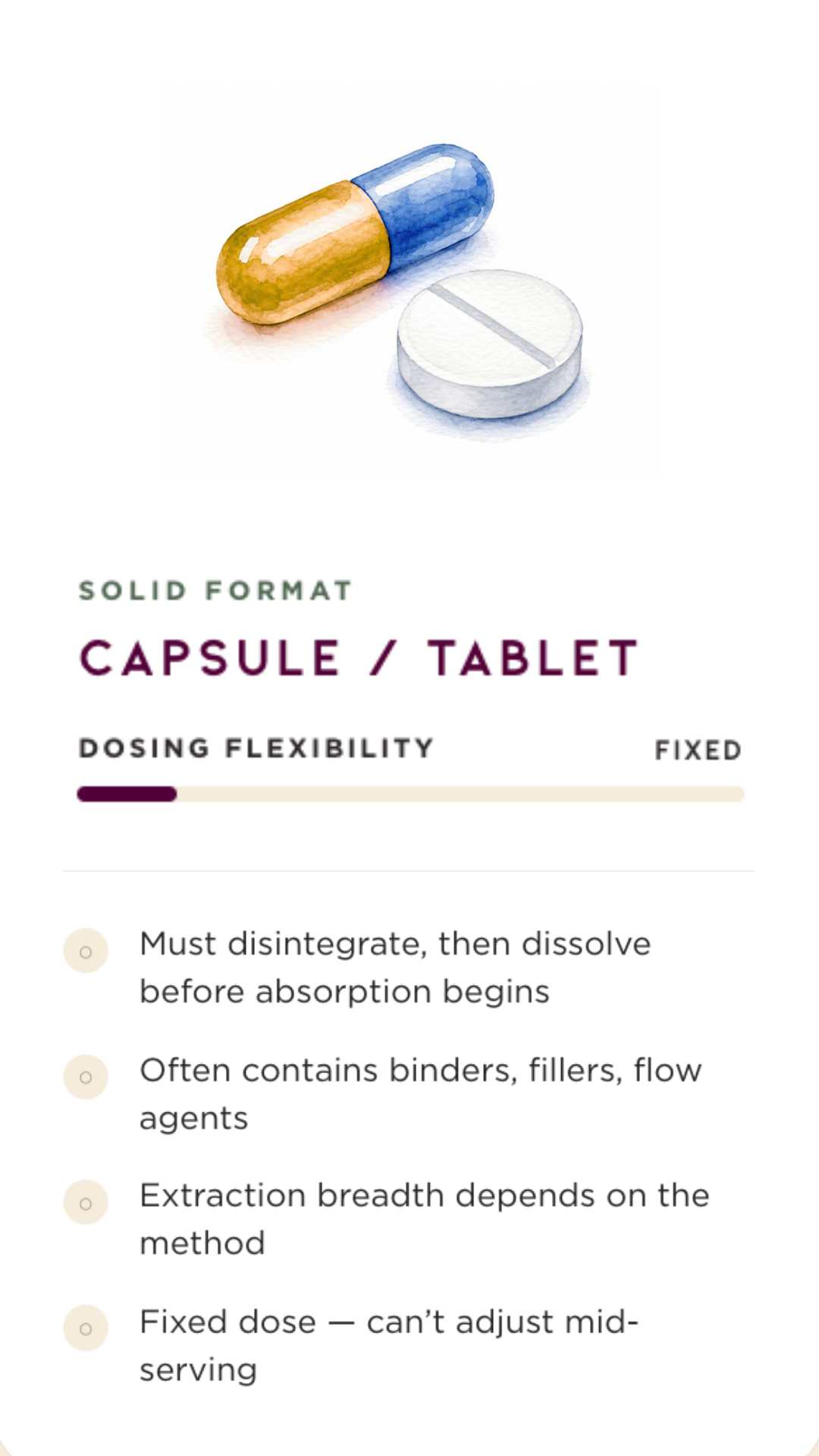
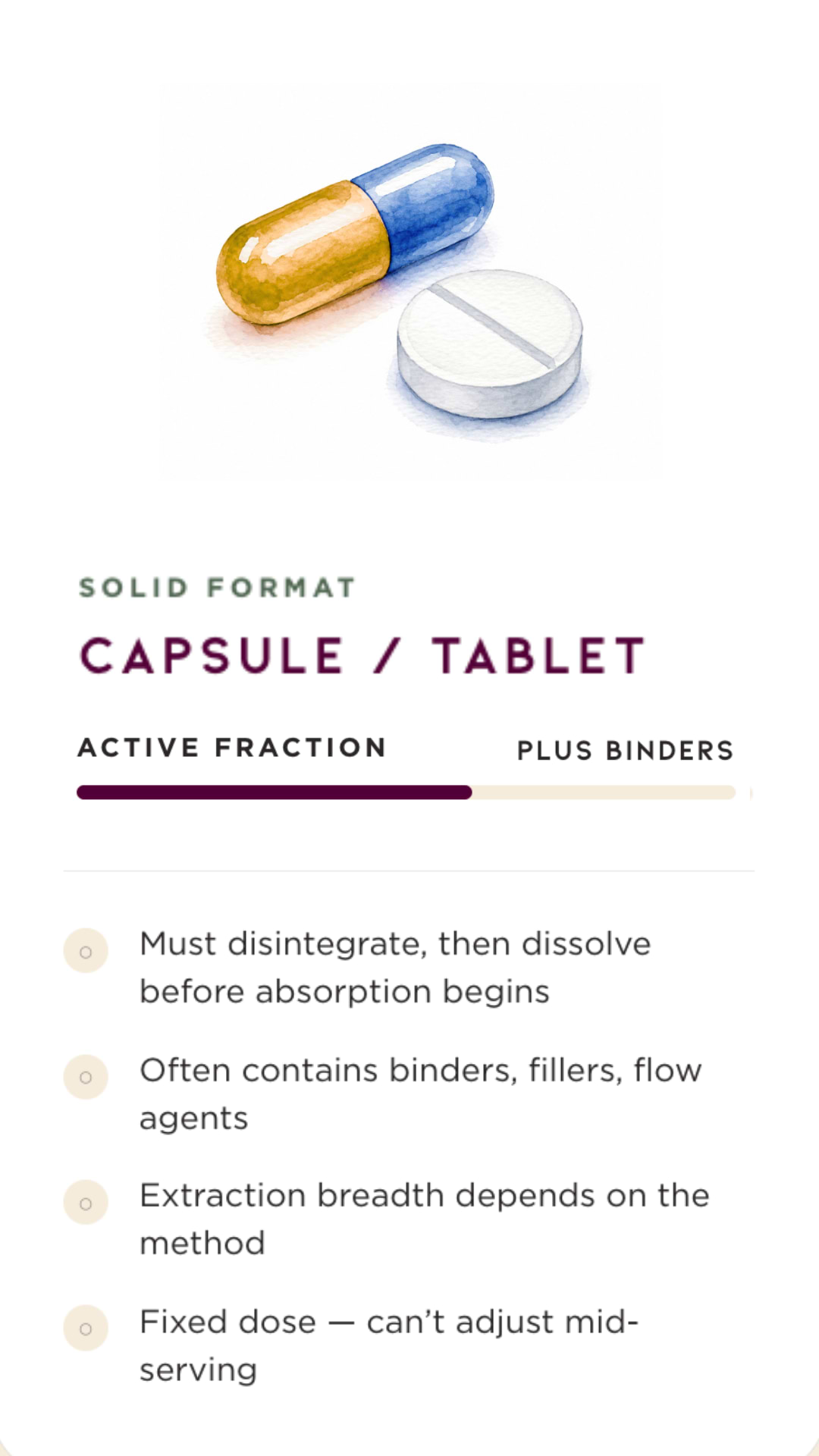
Watercolor illustration of a capsule and a tablet
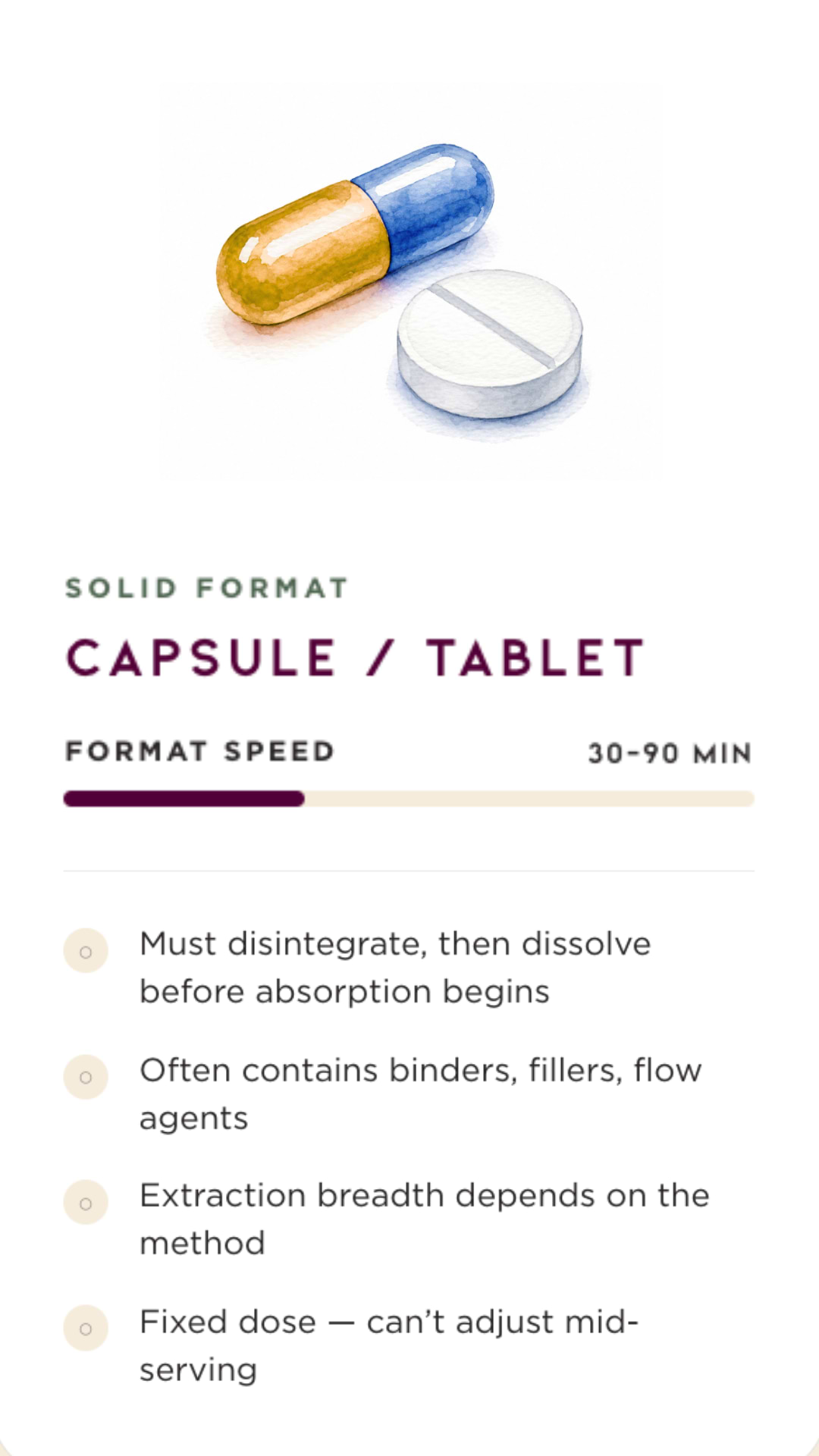
Solid format

Capsule / Tablet

  • Herb content / servingModerate
  • ○Must disintegrate, then dissolve before absorption begins
  • ○Often contains binders, fillers, flow agents
  • ○Extraction breadth depends on method
  • ○Fixed dose — can’t adjust mid-serving
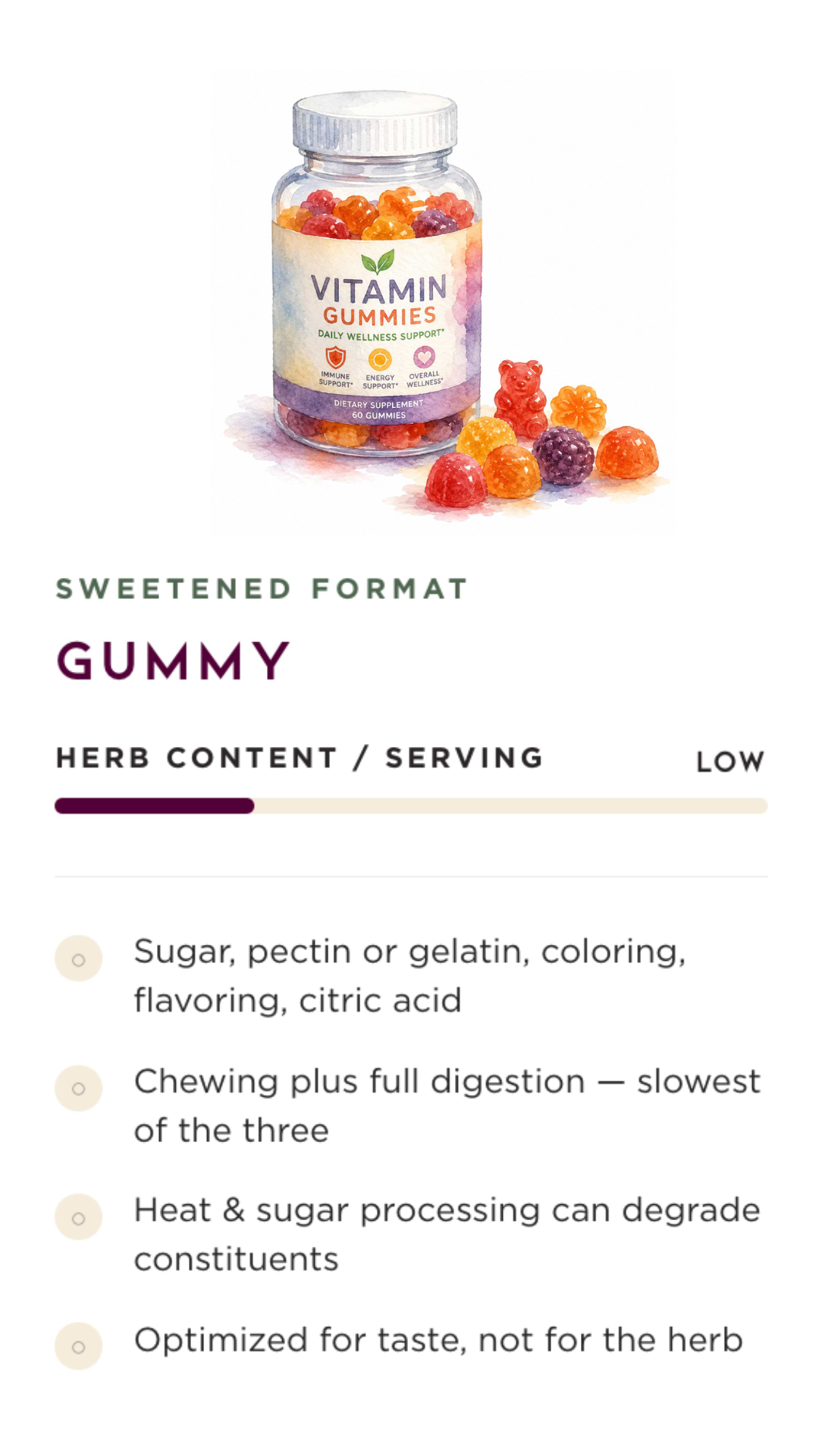
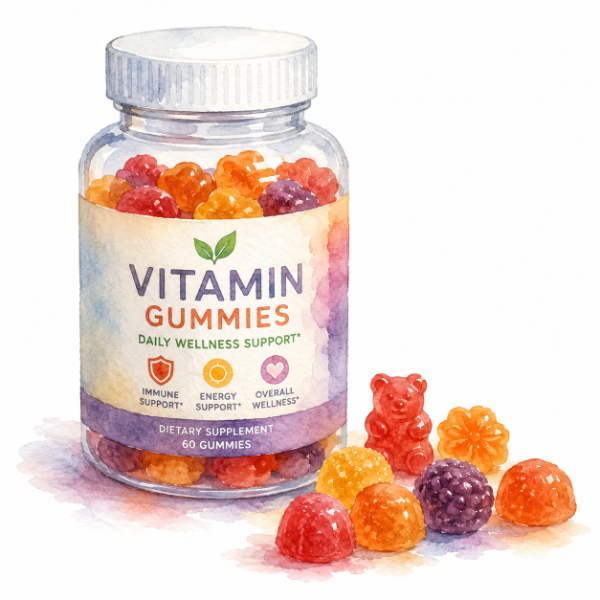
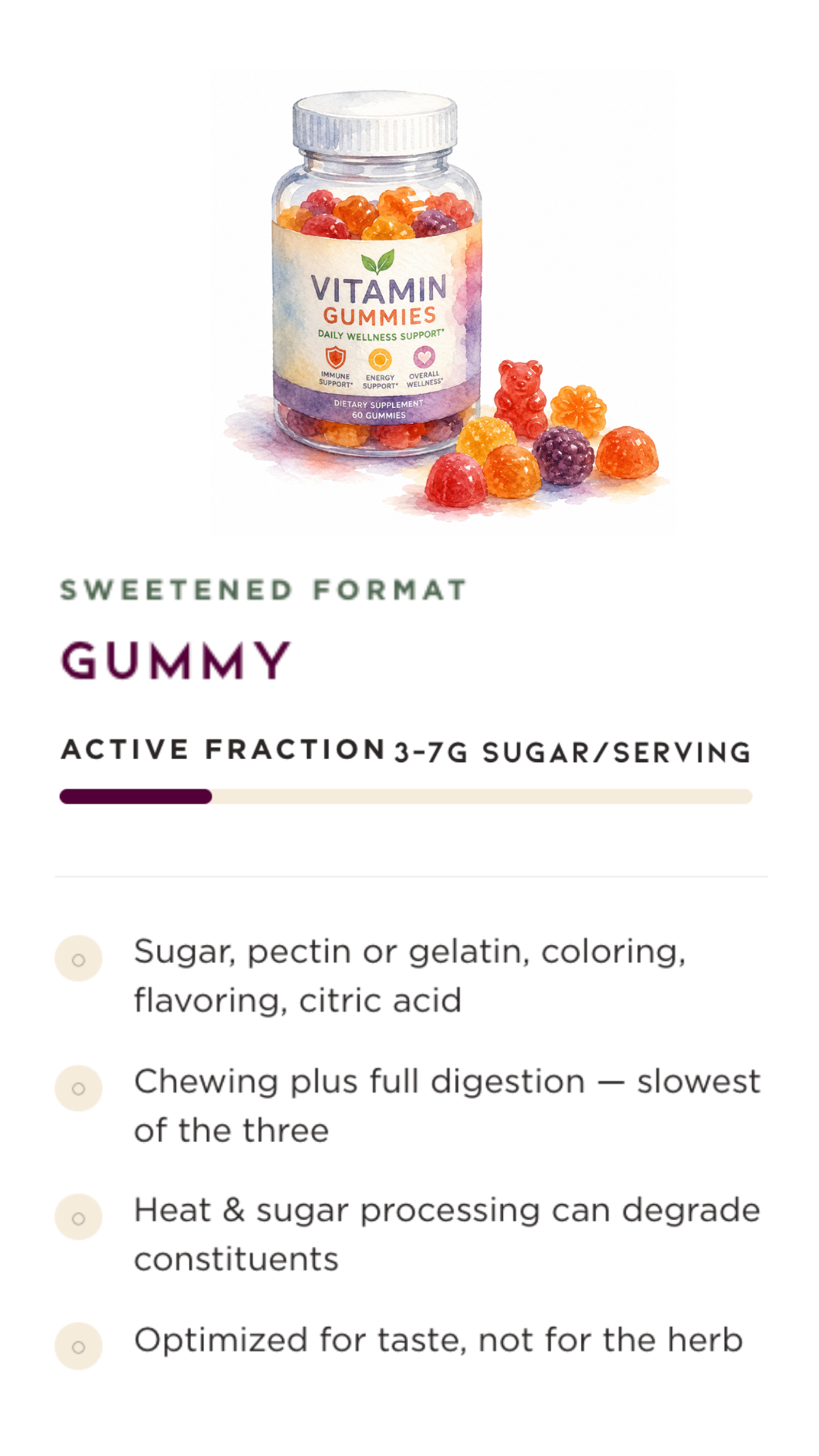
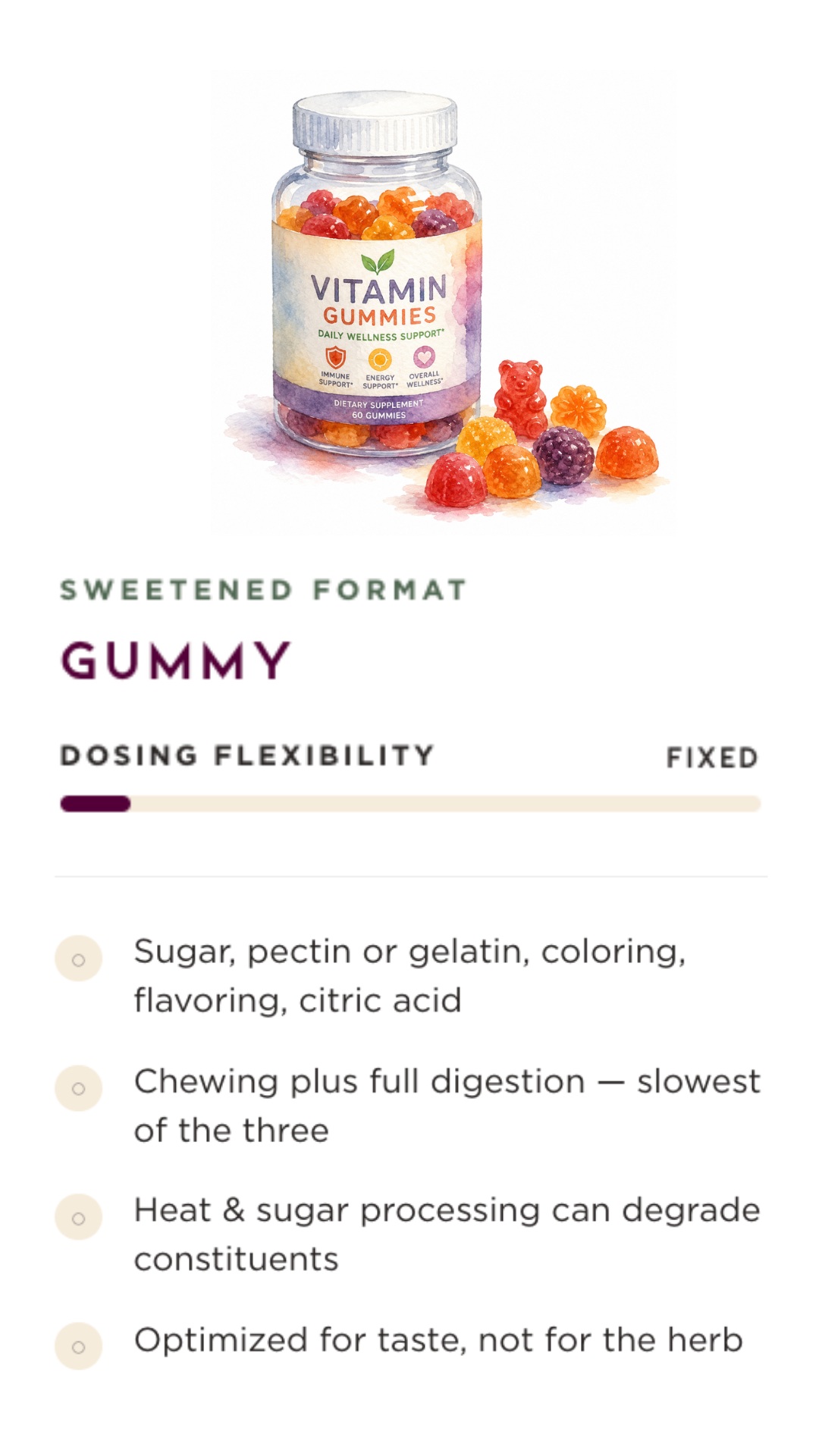
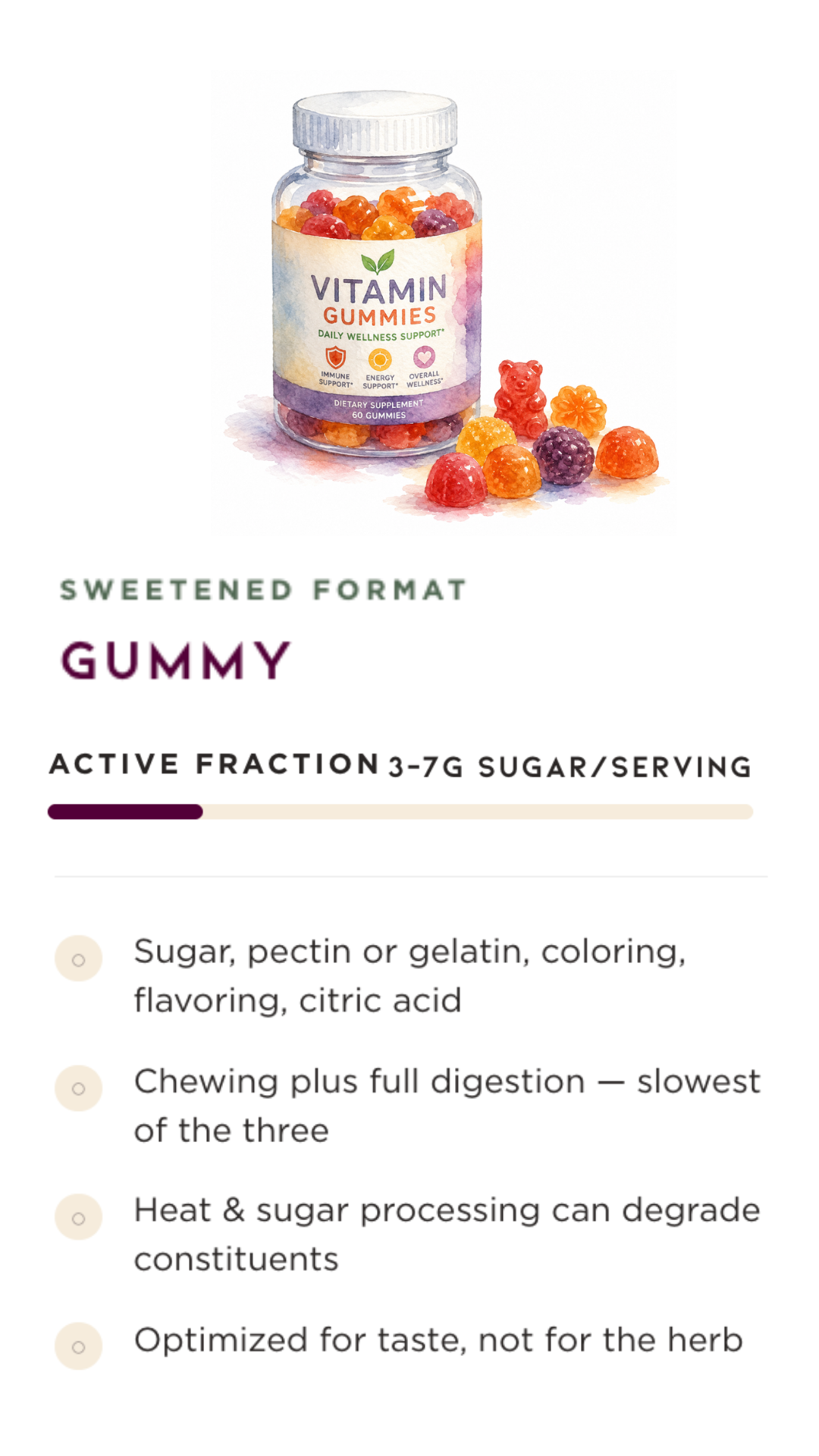
Watercolor illustration of a vitamin gummy bottle
Sweetened format

Gummy

  • Herb content / servingLow
  • ○Sugar, pectin/gelatin, coloring, citric acid
  • ○Chewing plus full digestion — slowest of the three
  • ○Heat & sugar processing can degrade constituents
  • ○Optimized for taste, not for the herb
The honest math
6 to 12 gummies
≈ 3 mL of tincture.

Gummies are everywhere right now, and we get the appeal. But here’s the reality of getting herb in your body: it can take six to twelve gummies to equal the plant content in about 3 mL of liquid extract — before accounting for the sugar, the gelatin, the flavoring.

Tinctures are optimized for the herb. (Read the study below)

Gummies
× 9
≡
Tincture
3 mL

"
Whole plant extracts give the body something to recognize.

Catherine Hunziker

Master Herbalist & Formulator · WishGarden Herbs · since 1979

Catherine HUNZIKER explains why Liquids herbs

the whole plant

A plant 
isn’t
a single
molecule.

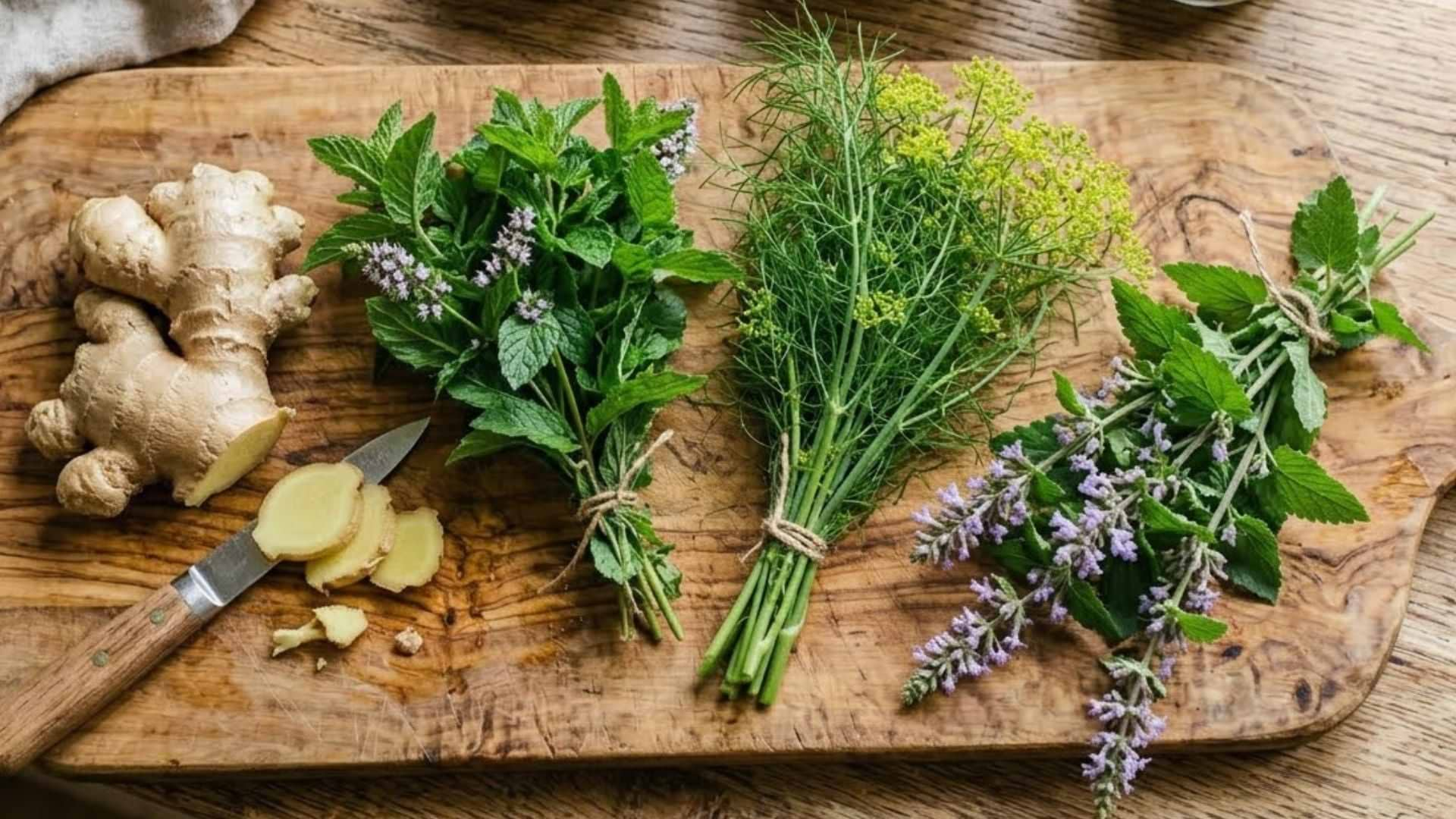
It’s hundreds of them — polyphenols, flavonoids, alkaloids, terpenes — working together in a living system that science is still mapping. That’s why we’ve always used whole-plant extracts, not isolated active ingredients.

This is what herbalists mean when they talk about “the soup of constituents.” The compounds work together. They balance each other. They do things in combination that isolated active ingredients don’t.

Many plants carry their key components across multiple compound classes, and only a multi-solvent liquid extract reaches all of them. A capsule made from a single-solvent extraction misses the parts the solvent couldn’t pull.


We don’t chase a single active ingredient and call it done. We extract the whole plant, in the right medium, at the right ratio, so the full complexity of the herb is present in every bottle.


learn more about our sourcing

Heritage

Tinctures aren’t new.
They’re ancient.

Every major herbal tradition has used liquid plant extracts as a primary delivery format. They’ve endured for the same reason they work now.

~ 1500 BCE

Ayurvedic Tradition

Liquid plant preparations described in the Sushruta Samhita and other early Vedic medical texts.
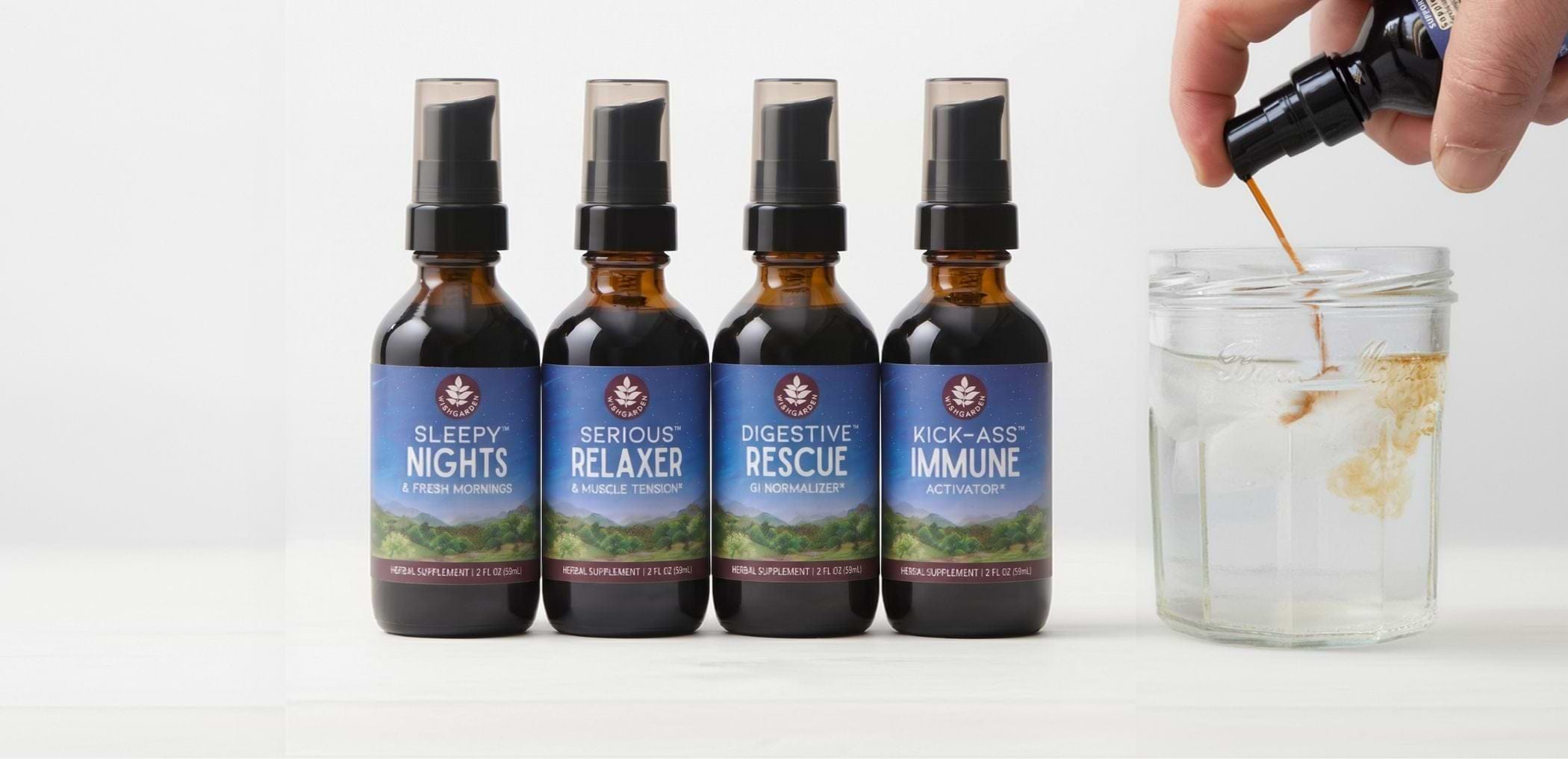
~ 200 BCE

Traditional Chinese Medicine

Alcohol-based herbal decoctions (yao jiu) used clinically and recorded in early TCM compendia.

16th c.

Paracelsus & Western Apothecary

Paracelsus codifies alcohol-based plant extractions in European medicine. The word “tincture” takes root.

Today

Recognized by EMA & WHO

The European Medicines Agency, Health Canada, and the World Health Organization all recognize hydroethanolic tinctures as standard herbal dosage forms.

1979 →

WishGarden Herbs

Catherine Hunziker — midwife & master herbalist — starts crafting practitioner-grade liquid extracts for mothers and midwives in Boulder, Colorado. Same formulas, same format, still family-run.

How to Take Them
Three dosing strategies.

Liquid format gives you something fixed-dose forms can’t: room to adjust. Pick the strategy that matches what you’re asking the herb to do.

IFastest Effect

In-the-moment

Enough volume to get the job done.

One full serving in a small amount of water. Repeat as needed. This is the strategy fixed-dose capsules and gummies can’t deliver.

Onset speedFast
IIEveryday Support

Medium support

A serving, two or three times a day.

For ongoing support — sleep, stress, digestion. Consistent rhythm gives the body something to settle into.

Onset speedSteady
IIITonic Use

Long-term

A smaller serving, daily, for months.

Adaptogens, nervines, building herbs. Tonic dosing is what herbalists reach for when the goal is gradual constitutional support.

Onset speedSlow build

4. Nourish Your Overstimulated Nervous System

Your phone delivers more information before breakfast than your grandparents processed in a week — and your nervous system is keeping score. All that stimulation keeps cortisol high, which makes restful sleep nearly impossible.


Herbs That  Buffer  Stress  for  Restful  Sleep

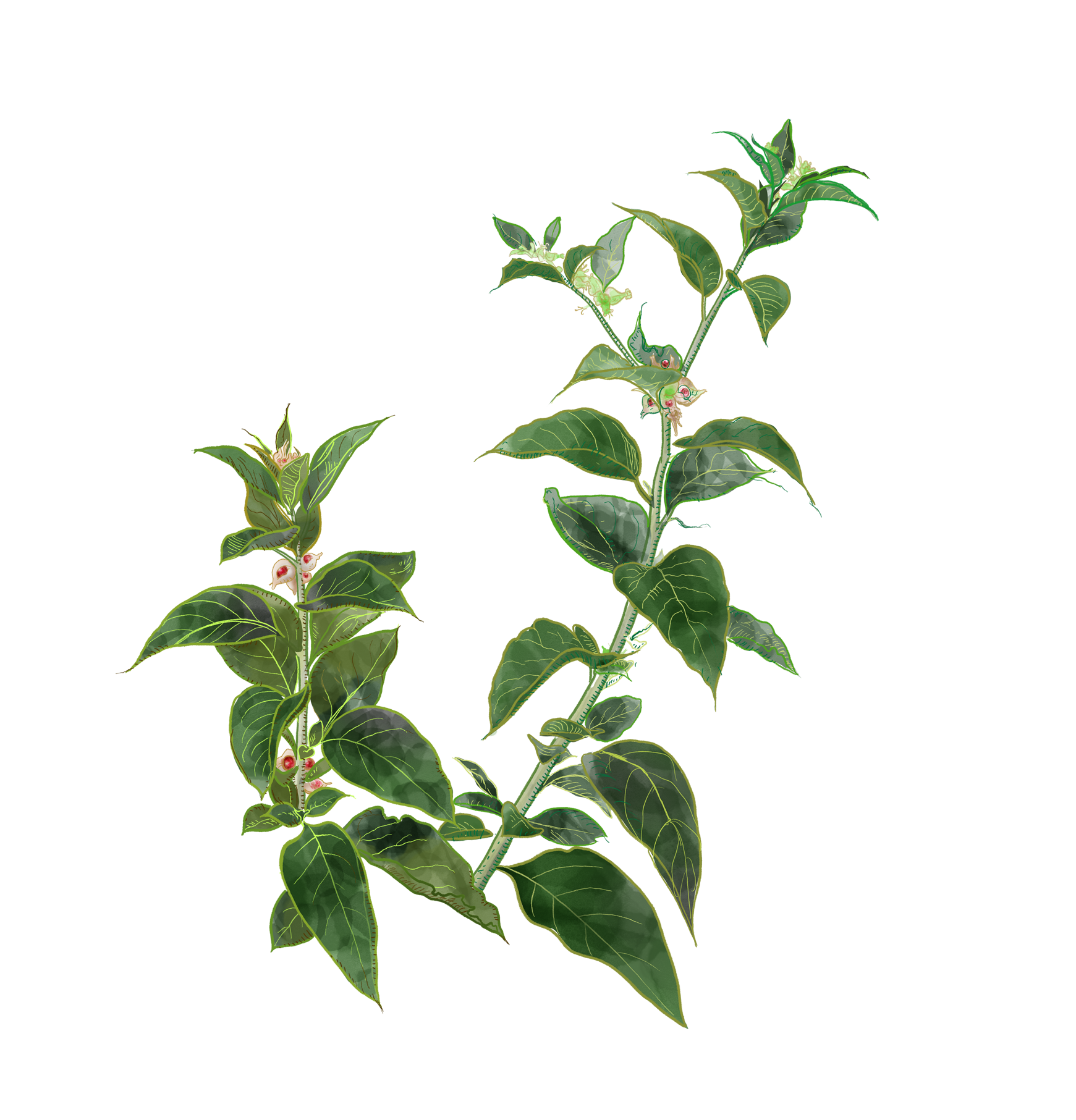
Ashwagandha 

One of the most studied plants on earth. Supports healthy cortisol regulation so you can fall and stay asleep.

Milky Oats

A deeply nourishing tonic for overworked nerves — helps your body rest and recover.

Holy Basil 

Promotes emotional resilience and a healthy stress response so you can actually relax at bedtime.

Deep Stress, Daily Calm

$15.99

Stress, stress, stress...it's a normal part of life. Stress can create tension and body discomforts and over time can decrease vitality and suppress immune function. Deep Stress utilizes Ashwagandha, one of nature's most powerful adaptogens, along with a team of nourishing nervines to lessen the effects of stress in the moment and over time. This powerful formula helps to take the body out of high gear and support normalized mood and better energy.

  • An artisan blend of 8 rejuvenating herbs.*
  • Supports healthy hormone balance.*
  • Helps improve sleep quality.*
  • Designed for in the moment and long-term support.*
  • USDA Certified Organic, Non-GMO, Gluten-free & Vegan.*

Deep Stress is to be used for ages 12+. Do not use if pregnant or nursing.

Check out our Blog article, Our Sleep, Stress & Mood Remedies: What's What and When to Take Them, to see how Deep Stress with Ashwagandha can support your stress response.

Quantity

5. Cool Your Body Down to Fall Asleep Faster

Sleep requires a drop in core body temperature. Most people sleep in rooms that are far too warm and don't realize it's contributing to their restless nights.


quick win #1:

quick win #2:

Keep your bedroom around 65 to 68 degrees if that's comfortable for you. Most people sleep in rooms that are way too warm, and they don't even realize it's a factor in their restless nights.

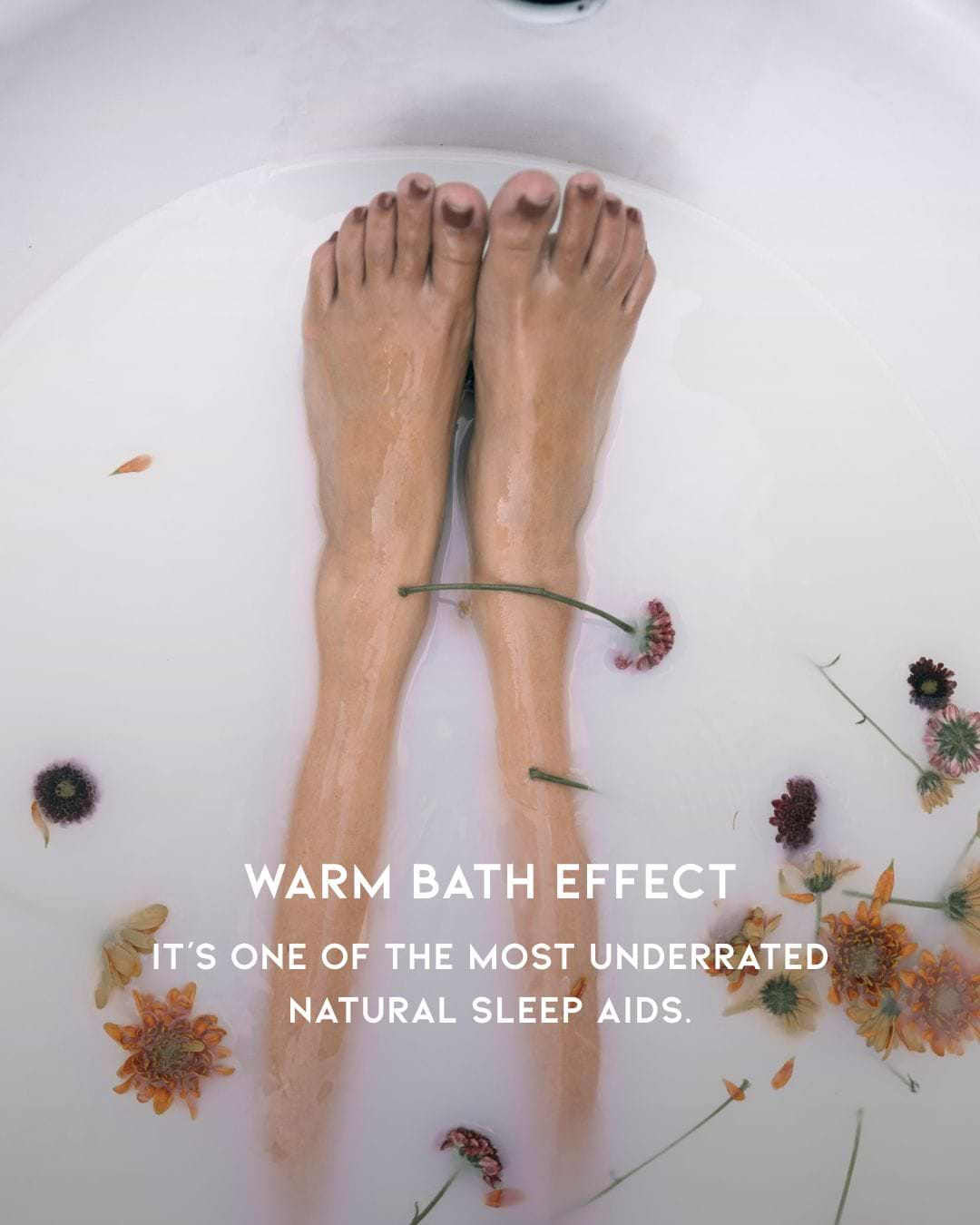
Try a warm bath about an hour before bed. The warmth dilates your blood vessels. When you step out, your body cools down faster helping you fall asleep easier. 

Your questions, answered

How fast does Kick-Ass Allergy start working?

WishGarden's liquid tincture format means the herbs start to absorb through mucous membranes immediately, bypassing the time it takes capsules or tablets to dissolve through the digestive system. The formula may begin supporting your body's histamine response within minutes. Serving may need to repeated 1-3 times for full desired effect.*

Will Kick-Ass Allergy make me foggy like conventional allergy options?

No. Kick-Ass Allergy is non-drowsy, non-stimulating, and non-sedating. The herbs support your body's natural histamine response without the brain fog, dry mouth, or afternoon energy crash that many people experience with conventional OTC allergy products.

Why choose liquid herbal extracts over capsules when timing matters?

Liquid herbal extracts don't need to be broken down by your digestive system before they absorb, which means they act faster than capsules or tablets. When you're already sneezing and congested, that faster onset can make a real difference in how quickly you feel support.

What makes WishGarden different from other herbal brands?

WishGarden has been formulating herbal remedies since 1979 — over 45 years. They're woman-owned, family-run, and a certified B Corp. Every formula is developed by in-house certified herbalists, manufactured in the USA, and sourced with a commitment to quality and sustainability. It's not a supplement brand that added an herbal line — it's the entire business.

Can I take Kick-Ass Allergy every day during allergy season?

Kick-Ass Allergy is designed for active, in-the-moment use. For daily foundational support before and during allergy season, pair it with Daily Immune Builder, a gentle tonic safe for extended daily use.

Sleep solutions for the whole family

04 · Our Extraction
Three solvents.
One plant.

Alcohol, water, and glycerin each pull a different class of plant compound out of the cell wall. No single solvent reaches everything — so we use all three, calibrated to each herb individually. Tap a solvent to see what it captures.

No fillers. No sweeteners. No shortcuts.
Organic alcohol

What alcohol pulls out of the cell wall

Alcohol is the deepest-reaching botanical solvent. It dissolves the lipid layer of the plant cell wall — that’s where the most concentrated medicinal compounds live. For roots, resins, and bitter herbs, alcohol is non-negotiable.

Each herb, on its own

Every herb in a WishGarden formula is extracted individually, in the solvent ratio that’s right for it — then combined. A resin-rich root and a mucilage-rich leaf don’t want the same alcohol percentage.

1:5
Professional weight-to-volume ratio. 1g herb per 5 mL solvent.
Learn more →
Heritage
Tinctures aren’t new.
They’re ancient.

Every major herbal tradition has used liquid plant extracts as a primary delivery format. They’ve endured for the same reason they work now.

hover a card to flip · tap on mobile · filter by region below
3,525
Years of recorded use
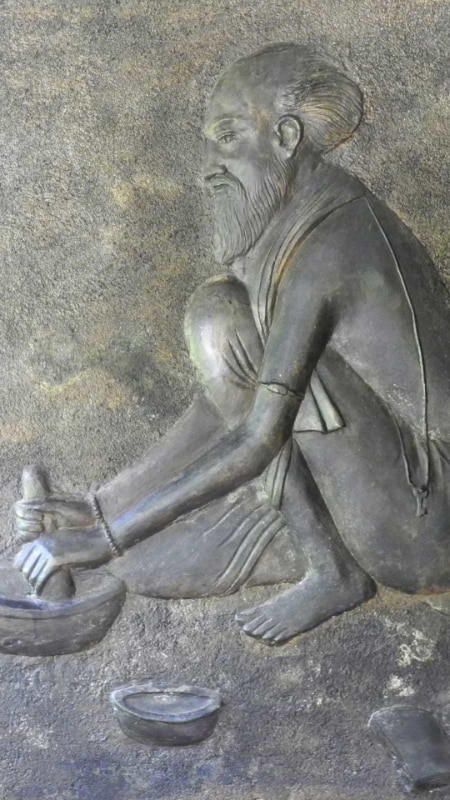
Stone relief carving of an Ayurvedic practitioner
~1500 BCE Ancient India

Ayurvedic Tradition

The earliest written records of liquid plant medicine.

Ancient India
~1500 BCE
Ayurvedic Tradition

Liquid plant preparations described in the Sushruta Samhita and other early Vedic medical texts — among the world’s oldest written records of herbal medicine.

“Asavas” — fermented herbal liquids — are still in clinical use today.

3,500+ years documented
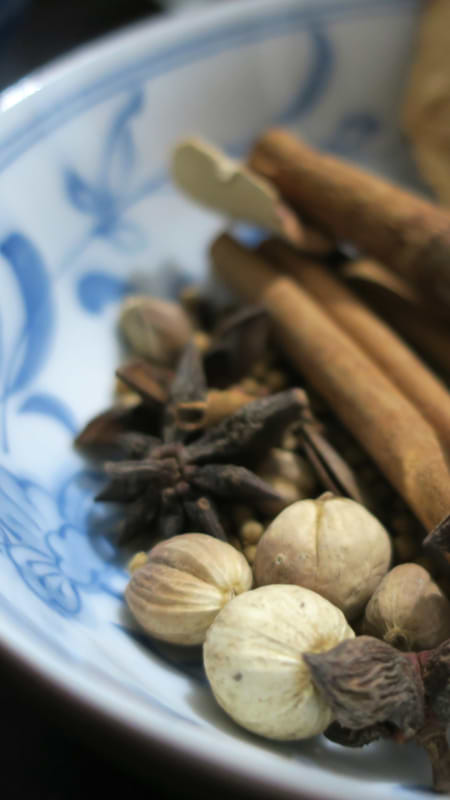
Traditional Chinese herbs in a porcelain bowl
~200 BCE Han Dynasty China

Traditional Chinese Medicine

Alcohol-based decoctions enter clinical use.

Han Dynasty China
~200 BCE
Traditional Chinese Medicine

Alcohol-based herbal decoctions (yao jiu, “medicine wine”) used clinically and recorded in early TCM compendia. Each formula calibrated to constitutional patterns.

The Shen Nong Ben Cao Jing catalogs 365 herbs — many extracted in alcohol.

2,200+ years of practice
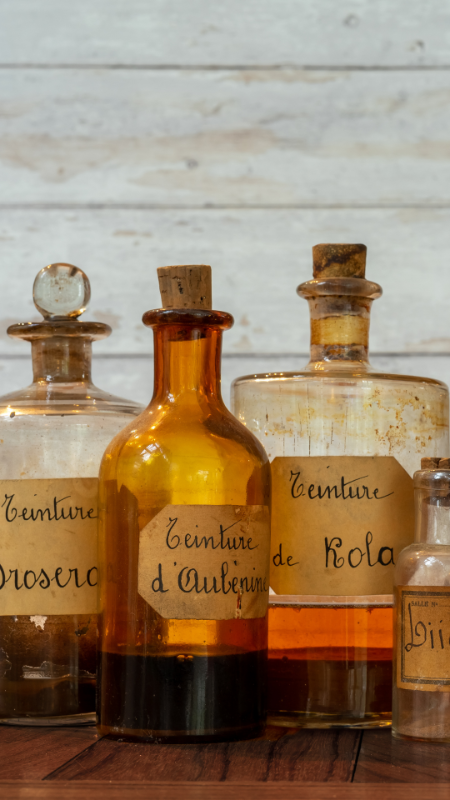
Antique amber apothecary bottles
16th c. European Renaissance

Paracelsus & Western Apothecary

The word “tincture” takes root.

European Renaissance
16th c.
Paracelsus & Western Apothecary

Swiss physician Paracelsus codifies alcohol-based plant extractions in European medicine. The Latin tinctura — “a dyeing or coloring” — takes root as a category.

“All things are poison; only the dose makes a thing not poison.” — Paracelsus

Codified the modern format
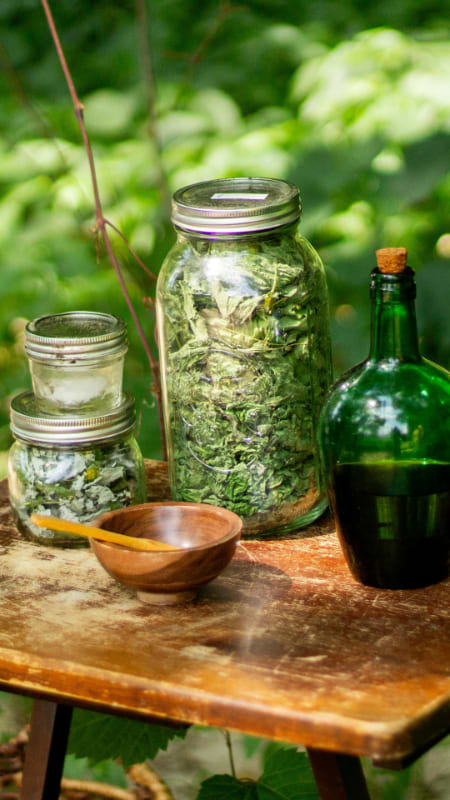
Mason jars of dried herbs
Today Modern Era

Recognized by EMA & WHO

Tinctures are a standard dosage form globally.

Modern Regulatory Era
Today
Recognized by EMA & WHO

The European Medicines Agency, Health Canada, and the World Health Organization all recognize hydroethanolic tinctures as standard herbal dosage forms.

Not an alternative — a formally recognized format with monographed standards.

EMA · WHO · Health Canada
Vintage photograph of Catherine Hunziker with her children
1979 → Boulder, Colorado

WishGarden Herbs

Catherine starts crafting for mothers and midwives.

Boulder, Colorado
1979 →
WishGarden Herbs

Catherine Hunziker — midwife & master herbalist — starts crafting practitioner-grade liquid extracts for mothers and midwives. Same formulas, same format, still family-run.

“Whole plant extracts give the body something to recognize.”

47 years · still family-run

learn about our formulation philosophy

How to Take Them
Three dosing strategies.

Liquid format gives you something fixed-dose forms can’t: room to adjust. Pick the strategy that matches what you’re asking the herb to do.

IFastest Effect

In-the-moment

Enough volume to get the job done.

One full serving in a small amount of water. Repeat as needed. This is the strategy fixed-dose capsules and gummies can’t deliver.

Onset speedFast
IIEveryday Support

Medium support

A serving, two or three times a day.

For ongoing support — sleep, stress, digestion. Consistent rhythm gives the body something to settle into.

Onset speedSteady
IIITonic Use

Long-term

A smaller serving, daily, for months.

Adaptogens, nervines, building herbs. Tonic dosing is what herbalists reach for when the goal is gradual constitutional support.
Onset speedSlow build
About The Taste
Yes. It tastes
like plants.

Bitter. Earthy. Bold. That’s not a flaw — it’s the plant’s natural chemistry, the terpenes, alkaloids, and phenolic compounds that make herbs what they are.

In many traditional herbal practices, tasting the herb is part of how the body responds to it. Bitters, for example, support digestive response specifically because the bitter flavor is recognized by the tongue.

New to tinctures? Drop your serving into 2–4 oz of water, juice, or tea. Your palate adjusts faster than you’d expect — most people stop noticing the taste within a week or two.

One thing worth knowing
About the alcohol.

Depending on the formula, a single serving of a WishGarden tincture contains about the same amount of alcohol as:
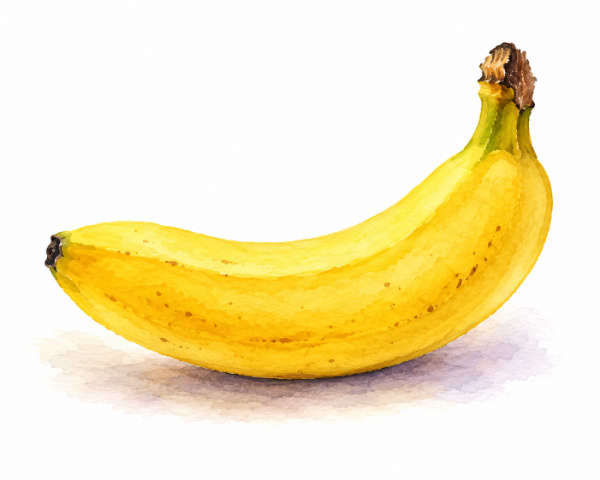
Watercolor illustration of a ripe yellow banana
≈
A ripe banana
naturally fermented sugars
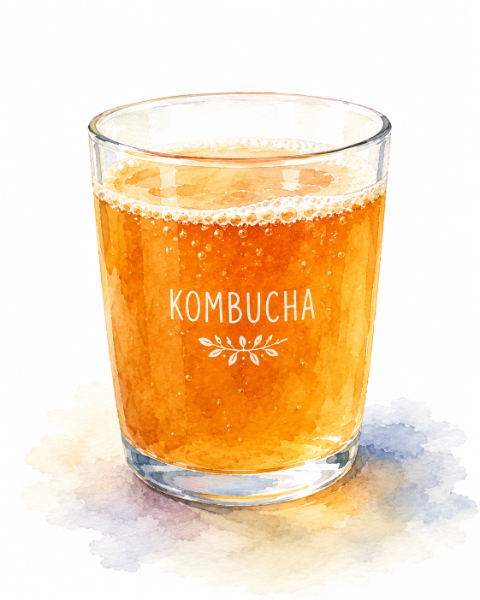
Watercolor illustration of a glass of kombucha
=
A glass of kombucha
trace ethanol
Watercolor illustration of a WishGarden tincture dropper releasing into a glass of water
≤
1 serving WG
solvent, not source

The alcohol is there because it’s the most complete botanical solvent available — not as a meaningful dietary source of ethanol. If you’re avoiding alcohol, that context tends to change the conversation.

Why WishGarden
We didn’t
start with a
market gap.

We started with a midwife. Catherine Hunziker founded WishGarden in Boulder in 1979 — not as a supplement company, but as a practitioner supply for mothers, midwives, and herbalists. The formulas she built then were liquid tinctures. They still are.

Catherine Hunziker, master herbalist and founder, in an herb garden
01
Master Herbalist + Midwife

Formulated by Catherine — more than four decades of clinical herbal practice. Family-run, multi-generational, woman-owned.
Meet our founder →

Glass maceration jars filled with herbs and tinctures lined up at the WishGarden facility
02
Tri-Solvent, Herb-By-Herb

Each herb is extracted individually in the solvent and ratio calibrated to its chemistry. No averaging. No shortcuts.
More about our formulas →

The WishGarden team gathered outdoors with shovels and field gear
03
Sourced With Attention

52% organic. 25% organic regenerative. 63% domestic. We follow plants, not trends — and we know the farms.
See our sourcing & quality →

Amber tincture bottles moving through the WishGarden bottling line in Louisville, Colorado
04
Made In Our Own Facility

NSF GMP & USDA Organic certified manufacturing in Louisville, CO. Certified B Corporation, Plastic Neutral.
Learn more about our impact →

Certified by · verified by · recognized for
Certified B Corporation USDA Organic NSF Certified GMP Certified Non-GMO Project Verified FairWild Certified Plastic Neutral Certified Made in America 2022 NBJ Supply Chain Transparency Award
FAQ
Liquid tinctures, answered.