
Preserving the Legacy of Yerba Mansa: A Cornerstone of WishGarden Herbs’ Biodiversity Initiative

In the lush heart of the Rio Grande's Cottonwood Bosque, a unique and sacred herb thrives—Yerba Mansa, also known by its botanical name, Anemopsis californica. This area, known as the Bosque, is a verdant forest nestled in the arid landscape, offering a rare biodiversity oasis. It teems with rivers, a plethora of bird species, native grasses, and an extensive array of medicinal plants that have been utilized by Native American communities for centuries. Join us in preserving Mansa's legacy, a cornerstone in Southwest Herbalism.
This work is part of WishGarden Herbs’ broader Biodiversity Initiative, focused on protecting at-risk medicinal plants by shifting them from vulnerable wild populations into regenerative cultivation models.
Historical Significance and Modern Challenges
Yerba Mansa, deeply entrenched in the cultural and medicinal tapestry of Southwest Native American tribes, now confronts the challenges of the modern era. The herbal sourcing landscape has been profoundly transformed by extreme climate disturbances, the tribulations & lack of domestic farming, rampant overharvesting, and a marked decline in the transmission of ancestral wisdom. These shifts jeopardize the ethical procurement of medicinal herbs, vital to our heritage and health.
Yet, there remains a beacon of hope.
Cultural Heritage and Economic Shifts
Foraging for wild herbs and foods is a practice steeped in the very essence of human tradition, particularly among the First Nations of the United States, as mentioned before. It is a legacy of ethics in plant harvesting, traditionally passed down through the echoes of generations or entrusted to designated custodians of knowledge within communities. However, younger generations are increasingly drawn to urban environments in pursuit of higher income opportunities, such as working in coffee shops, rather than continuing the practice of collecting plants. This migration frays the delicate thread of continuity in our traditional plant knowledge.
It is not that elders are withholding their wisdom; rather, the scale of transmission does not meet the burgeoning demands of our natural product industry. We are called upon to raise the torch of knowledge higher, to champion the cause of ethical herb collection. Let us tread the paths of the wild, inscribe the sagas told by elders, and weave their enduring legacies into the fabric of future herbal generations.
Solutions in Ethical Sourcing
As the Sourcing & Senior Purchasing Manager for Wishgarden Herbs, I dedicate myself to pioneering solutions that address the complexities of modern medicinal plant sourcing. A cornerstone of my sourcing strategy at Wishgarden Herbs is the meticulous documentation of elder knowledge coupled with the practice of ethical wildcrafting, a tribute to the revered wisdom of our elders. Inspired by our work within The Sustainable Herbs Initiative, a non-profit dedicated to plant conservation and cultivating ethical relationships between companies, wildland stewards, and plants themselves.
Last September, I rallied a team comprising Lynn Quality Associate, Nathan Quality Associate, Adam Production Supervisor, and myself, under the sage guidance of Richard. As our esteemed elder wildcrafter and clinical herbalist, Richard, who is nearing a well-deserved retirement at the age of seventy, has chosen to pass his invaluable knowledge onto me.
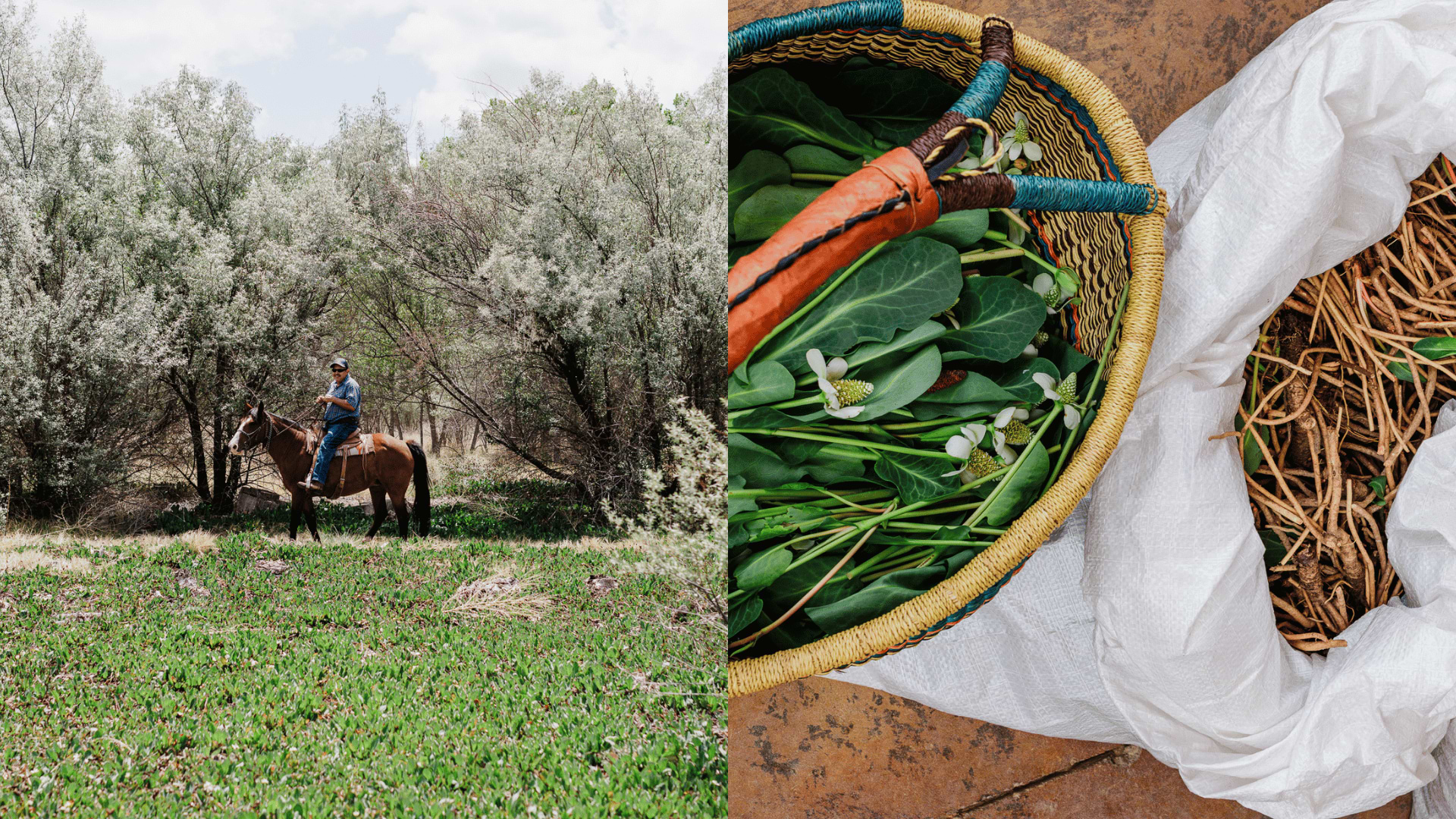
A local wild land steward passes through the Bosque on his mustang — a reminder that Yerba Mansa thrives with ethical ecological relationships.
Into the Bosque: An Ethical Wildcrafting Journey
Laying the groundwork for bringing vulnerable wild medicinal plants into cultivation.
As the early days of September unfurl their cool embrace over the New Mexico Bosque, the air, warmed by the lingering summer sun, fills our wildcrafting excursion with an unexpected warmth. This seasonal metamorphosis not only heralds a time of tangible change but also ushers in a period of renewal and profound enlightenment beneath the expansive canopy of the ancient Cottonwood Bosque.
Venturing one mile into the wild, armed with shovels, water, backpacks, harvest bags, and hearts full of noble intentions, we follow a sandy trail flanked by willow trees and towering wild sunflowers. At the trail’s end, we encounter our cherished botanical ally, Yerba Mansa, known to the Pima First Nation by its Indigenous name, Vavish.
Its intoxicating, spicy-carrot-like scent envelops me, transporting me to a sacred communion with Mansa—as if greeting an old friend who jests, "What took you so long?"
The foliage of Mansa, tinged with hues of orange and red yet hosting the last of its blooms, contrasts with the vibrant green leaves of the cottonwoods overhead, which offer a cool shelter from the intense solar rays. As Richard initiates our lesson in the delicate art of uprooting yet conscientiously replanting 40% of what we excavate, large red-winged blackbirds glide above. A gentle breeze caresses my face, carrying the rhythmic rustle of cottonwood leaves and enriching the air with Richard's sage advice.
For three decades, Richard has been the guardian of this wild sanctuary. Throughout these years, he has cultivated a practice of harvesting only what is needed and then returning or propagating the roots back to the nurturing soil. He shares, "They thrive in companionship, benefitting from the symbiotic relationships with the decomposing wood that neighbors them." Known affectionately as the Mansa Man (a name I gave him), Richard has gleaned extensive insights into the natural habitats of Mansa, knowledge proven essential for supporting our successful cultivation efforts of Yerba Mansa for commerce, moving this culturally significant plant beyond exclusive wild-harvested status into cultivation. His stewardship not only preserves but also propagates the legacy of this vital Southwestern herb, ensuring its survival and flourishing population in the heart of the Bosque.
Immersed for a week within the nurturing embrace of the Bosque, alongside Richard, we found ourselves more attuned to the earth, its flora, and the depths of our own spirits. Under his guidance, we engaged in the ancient practice of harvesting, a communion with nature that allowed us to mindfully gather the necessary bounty for our cherished formulations, Deep Lung and Get Over It. With each careful selection, rooted in good intentions, we secured our annual essentials, crafting potent remedies that promise both accessibility and healing.
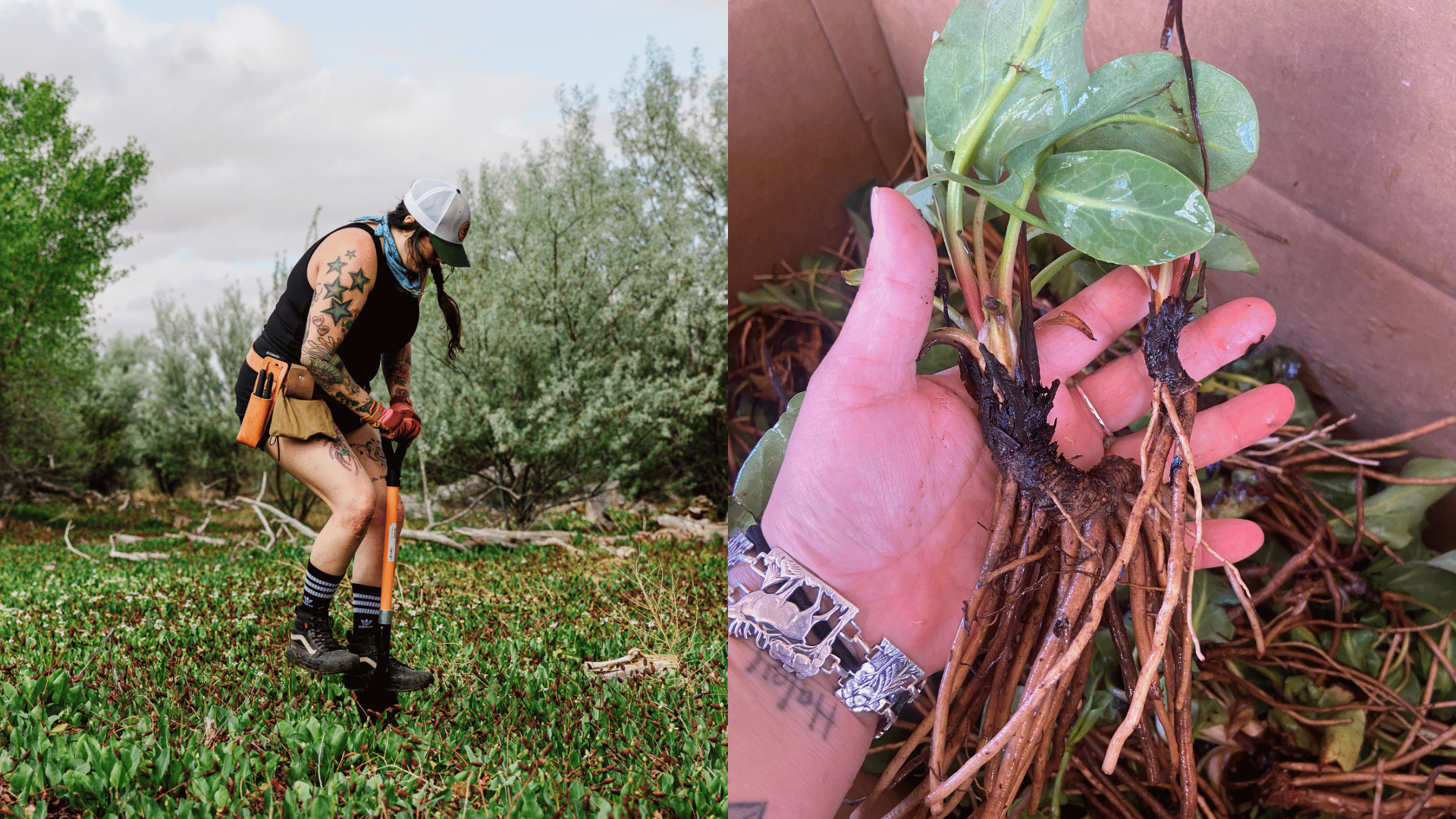
Lauren Ann Nichols-Sheffler, Senior Sourcing & Purchasing Manager at WishGarden Herbs, sustainably harvesting wild Yerba Mansa.
Deep Roots in Herbal Expertise: The Legacy of Knowledge Keepers
Richard's Journey in Botanical Medicine
For over 40 years, the original formulation of our Deep Lung tincture has included potent herbs from the Southwest, such as Yerba Mansa. Sourced from elder herbalists like Richard, who studied at The Southwest School of Botanical Medicine under the renowned Michael Moore, Richard's dedication to clinical herbalism and ethical sourcing has been integral to his career. His commitment extends beyond personal practice to his involvement in a food co-op that features an apothecary and clinic, embodying the principles of sustainable and ethical herbal sourcing.
Catherine Hunziker’s Vision: Ongoing Plant Conservation Impact
Similarly, Catherine Hunziker, the President and formulator for Wishgarden Herbs, has been profoundly influenced by her studies with Michael Moore. Her extensive fieldwork and deep understanding of regional medicinal plants have shaped her approach to herbal formulation. Yerba Mansa plays a crucial role in her signature products, including Deep Lung and Get Over It, providing unique medicinal benefits unmatched by other plants. Mostly due to the resilience to growing in desert regions that create potent medicinal aromatics.
Currently, Catherine manages a regional Rocky Mountain Herbiculture receiving hub, where she enthusiastically inspires local farmers to cultivate rare wild plants, helping to restore an important botanical connection. Through partnerships with WishGarden’s sourcing department and the Herbiculture Project, we have successfully propagated several Yerba Mansa seedlings as part of our biodiversity initiative, nurturing the sustainable cultivation of this remarkable plant for generations to come.
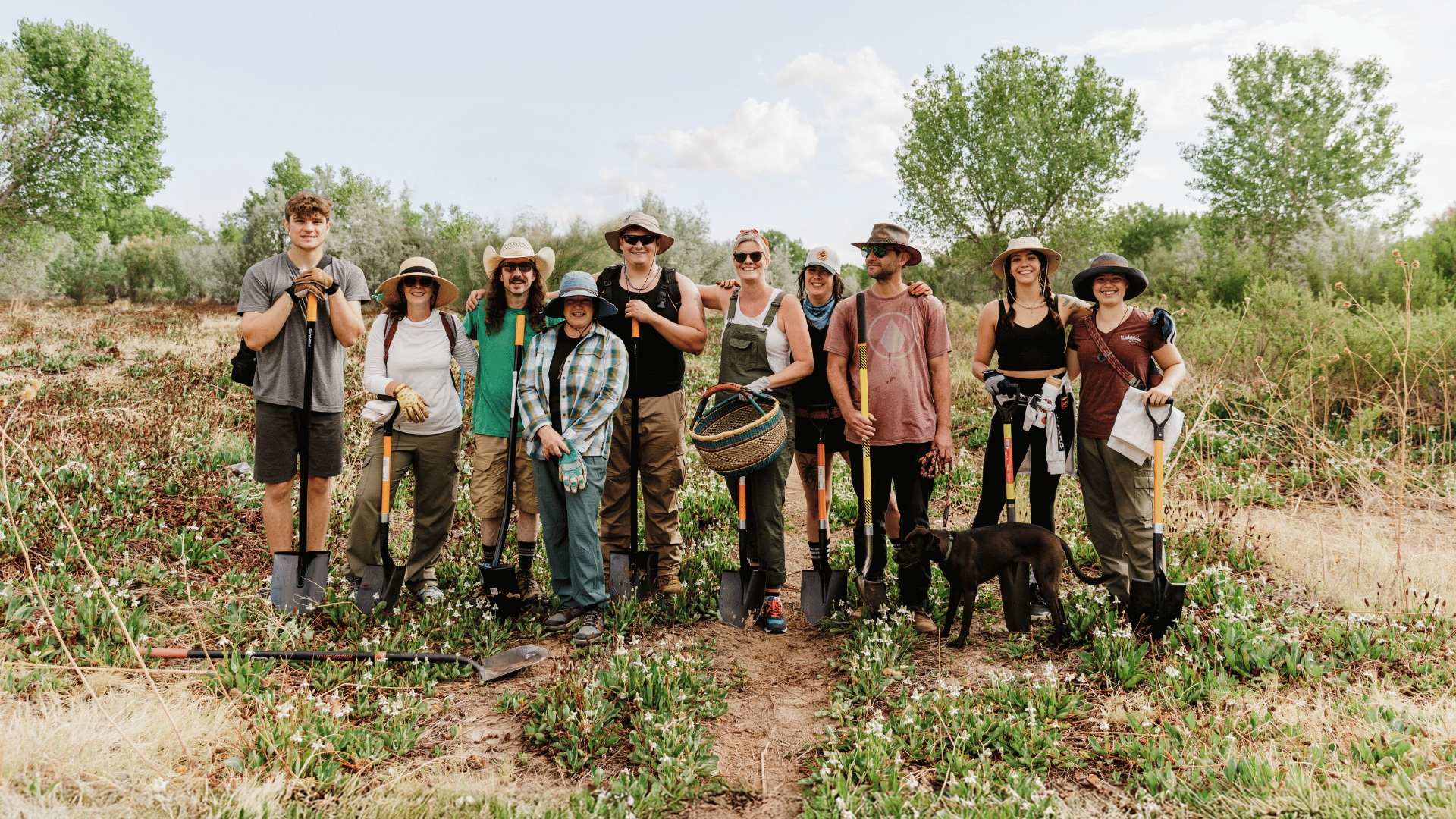
WishGarden staff in the field, sustainably harvesting Yerba Mansa and collecting baby plants for cultivation and conservation
Yerba Mansa: From Wild Stewardship to Cultivation
As we tread softly on this sacred earth, we carry forth the legacy of Yerba Mansa, preserving its essence for generations to come. Yerba Mansa continues to be a legacy herb for WishGarden Herbs, representing a bridge between traditional herbal knowledge and modern herbal practices. Therefore, we safeguard its wild populations by partnering with local Colorado farms to secure its cultivated supply for years of future procurement. Each time we visit Yerba Mansa’s wild plant stands, we slowly and sustainably extract roots for our farm partners, ensuring its vital presence within Southwestern herbalism for years to come.
“Yerba Mansa is no longer just a plant we protect — it’s a plant we’ve helped bring into a regenerative future.” – Anna Harshman, VP of Impact and Development, Wishgarden Herbs.
This work represents a defining achievement of WishGarden Herbs’ Biodiversity Initiative: demonstrating that at-risk medicinal plants like Yerba Mansa can be ethically stewarded, cultivated at scale, and protected for future generations.
By integrating traditional wisdom with contemporary herbal science, Wishgarden Herbs stands at the forefront of sustainable and ethical herbal sourcing, ensuring the benefits of Yerba Mansa continue to be available for future generations. This commitment underscores the importance of preserving and honoring the botanical heritage that forms the foundation of natural remedies today. We must support and elevate these custodians in ways that reinforce our herbal supply chains with integrity and respect.
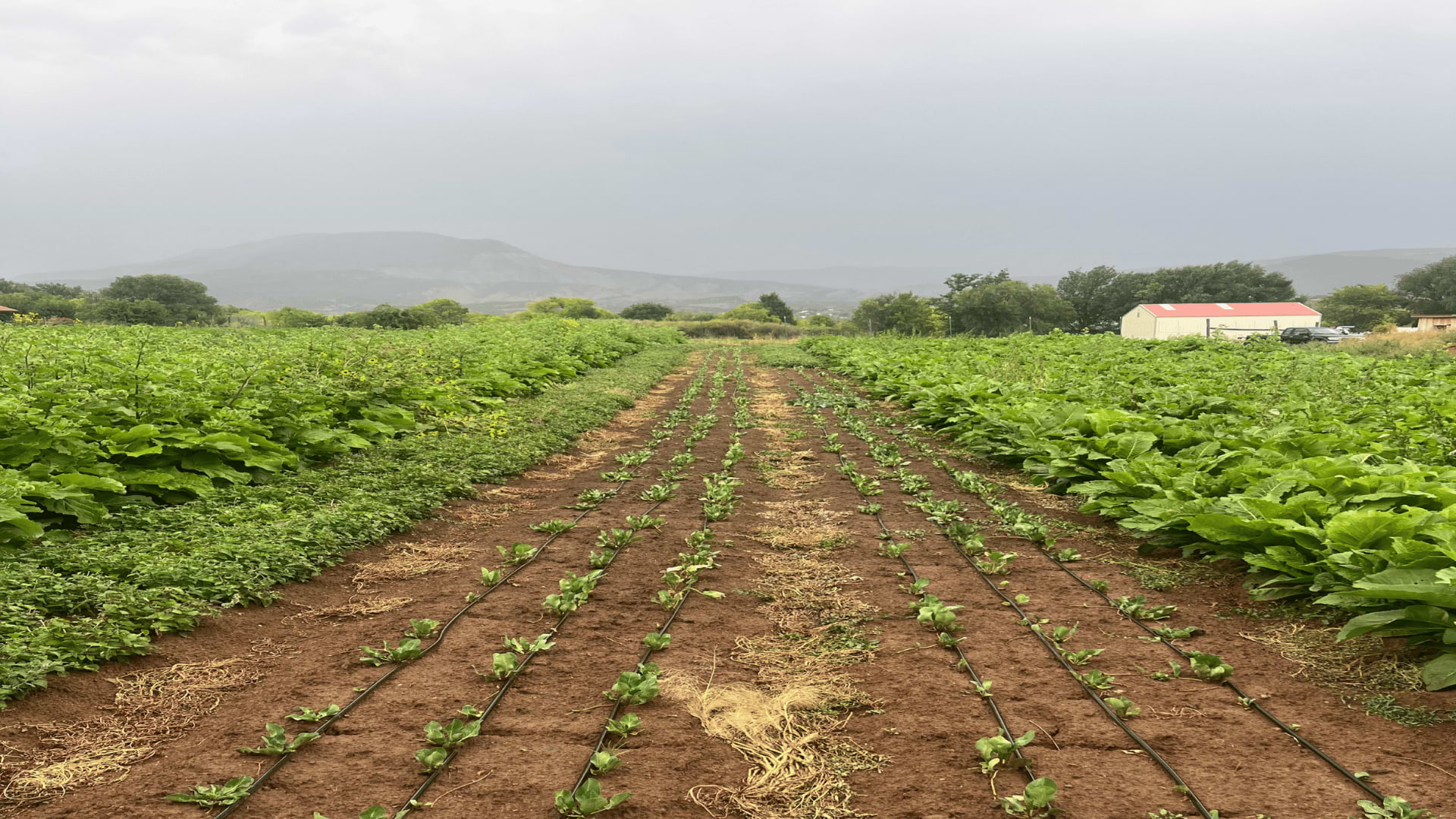
Wishgarden’s Organic Colorado Farm partner growing Yerba Mansa
To continue learning about respectful, ecological relationships with Yerba Mansa, we invite you to explore our contribution to the American Herbal Products Association’s Good Stewardship Harvesting brochures.
Lauren Ann Nichols-Sheffler is a certified medical herbalist from the Colorado School of Clinical Herbalism. She advocates for bioregional herbalism, co-stewards the Denver Herb Club, teaches at CSCH, and hosts community events at her United Plant Savers Botanical Sanctuary. As Senior Sourcing & Purchasing Manager at WishGarden Herbs, Lauren brings her passion for sustainability and plant education into every aspect of her work.
For educational purposes only. This information has not been evaluated by the Food and Drug Administration. This information is not intended to diagnose, treat, cure, or prevent any disease, or to sell any product.