

Catnip Benefits: A Feline Favorite and an Ally for All

Most people know catnip as a cat's best friend, but what often gets overlooked is how deeply supportive it can be for humans, too.
I’ll admit, I wasn’t very familiar with this plant before working at WishGarden, but over time I’ve come to appreciate it as a gentle yet deeply reliable herbal ally.
The internet tends to treat catnip as a novelty, but traditional herbalism tells a much broader story. When you spend time working with whole plants, patterns start to emerge, and catnip consistently shows up as a steady, multi-system support herb with a long history of use.
There is also an important distinction between how cats and humans experience this plant. Humans do not share the same sensory response, so catnip works in a much more subtle way, supporting the nervous system, digestion, and overall sense of relaxation. The experience is grounded and calming rather than stimulating, which is part of what makes it so versatile in daily use.

Botanical Background of Nepeta Cataria
Catnip, known botanically as Nepeta cataria, belongs to the mint family alongside basil, oregano, rosemary, and thyme. This plant family is known for aromatic herbs that have been valued for both culinary and wellness traditions for centuries. Within the Nepeta genus, which includes around 250 species, Nepeta cataria is the most recognized.
Like many mint family plants, catnip shares an affinity for the nervous system and digestion. This helps explain why it has been used in similar ways across different cultures for generations.
Catnip is a hardy perennial with square stems, soft heart-shaped leaves, and delicate white flowers that bloom from late spring through early fall. Herbalists primarily work with the aerial parts of the plant, where the beneficial compounds are most concentrated.
It is easy to grow in a home garden, thriving in full sun with well-drained soil and consistent moisture. Once established, it tends to return year after year with very little effort. Its resilience mirrors its role in herbalism as a reliable, accessible plant ally.
Originally native to Europe and Central Asia, catnip now grows widely across North America. Its abundance and long history of use contribute to its reputation as a safe and sustainable herb within traditional wellness systems.
Historical Use and Cultural Significance
Catnip has a long history of use across traditional herbal systems, valued for its gentle support of relaxation, digestion, and overall balance. Medieval European herbalists documented its use for calming the body and settling occasional digestive discomfort, while related Nepeta species were used in Traditional Chinese Medicine to help release tension and restore balance.
Beyond its practical uses, catnip also held a quiet place in folk tradition. It was often grown near homes and prepared as a tea for children, earning a reputation as a “nursery herb” associated with comfort, care, and ease. This connection to caregiving gave it a lasting identity as a plant that supports calm, especially during times of restlessness.
In some traditions, catnip was also linked to emotional softening and connection. Its well-known effect on cats, bringing playfulness and relaxation, likely shaped its symbolic association with easing tension and encouraging a more relaxed state.
Early herbalists like John Gerard and Nicholas Culpeper noted its affinity for the nervous and digestive systems, and it became a staple in early American gardens and home apothecaries. Indigenous communities later incorporated catnip into their own practices, recognizing its gentle and supportive nature.
Even its physical qualities reflect its traditional use. The plant’s soft leaves and mild aroma point toward its soothing nature, reinforcing its long-standing role as a steady and approachable herbal ally.
Health Benefits of Catnip
Catnip offers gentle, multi-system support, working alongside the body rather than pushing it in a forceful way. It has a natural affinity for the nervous system, digestion, and sleep, helping to maintain balance across these interconnected systems. As a soothing nervine, catnip supports a sense of calm without heaviness, making it just as useful during the day as it is in the evening. Its steady influence on the body’s stress response allows tension to gradually unwind, and with consistent use, many people notice a more grounded and balanced state throughout the day.
Catnip also acts as a carminative herb, supporting digestive comfort by helping the body maintain relaxed, coordinated movement in the digestive tract. This can be especially helpful when there is occasional bloating or digestive tension, which is why it has been traditionally used for both children and adults. A warm cup of catnip tea after meals can encourage digestive ease and help the body settle, especially when paired with simple foods and adequate rest.
For sleep, catnip provides subtle and supportive guidance rather than forcing the body into rest. It encourages a natural transition into relaxation, making it a useful addition to an evening routine, particularly when taken about an hour before bed. This same grounding quality extends to emotional balance, where catnip can be helpful during times of occasional nervousness or restlessness, offering a steady, calming presence during periods of change or heightened stress.
From a phytochemical perspective, catnip contains nepetalactone along with other aromatic compounds such as thymol and citronellol. These constituents help explain its long-standing use in supporting the nervous system and digestion. Emerging research suggests these compounds may interact with pathways involved in relaxation and mood regulation, which closely reflects what traditional herbalists have observed through generations of hands-on use.
How to Use Catnip: Daily Relaxation, Digestive Support, and Winding Down
Using catnip effectively comes down to preparation, consistency, and timing. Tea remains one of the most traditional and accessible ways to work with this herb, offering a simple and grounding daily ritual.
Catnip tea can be enjoyed warm or cooled. Adding a small amount of honey can enhance the flavor while keeping the experience enjoyable. Establishing a consistent rhythm with your tea allows your body to respond more fully over time and helps build a steady sense of balance.
Tinctures offer a more concentrated option for fast relief, while capsules provide another convenient vehicle for catnip.
Morning use can support calm focus and a balanced start to the day. Afternoon use may support digestive comfort after meals, while evening use encourages relaxation and helps prepare the body for rest. Matching the timing to your needs creates a more personalized and intuitive approach.
Always consult your healthcare provider before adding new herbs, especially if you are pregnant, nursing, or taking medications.
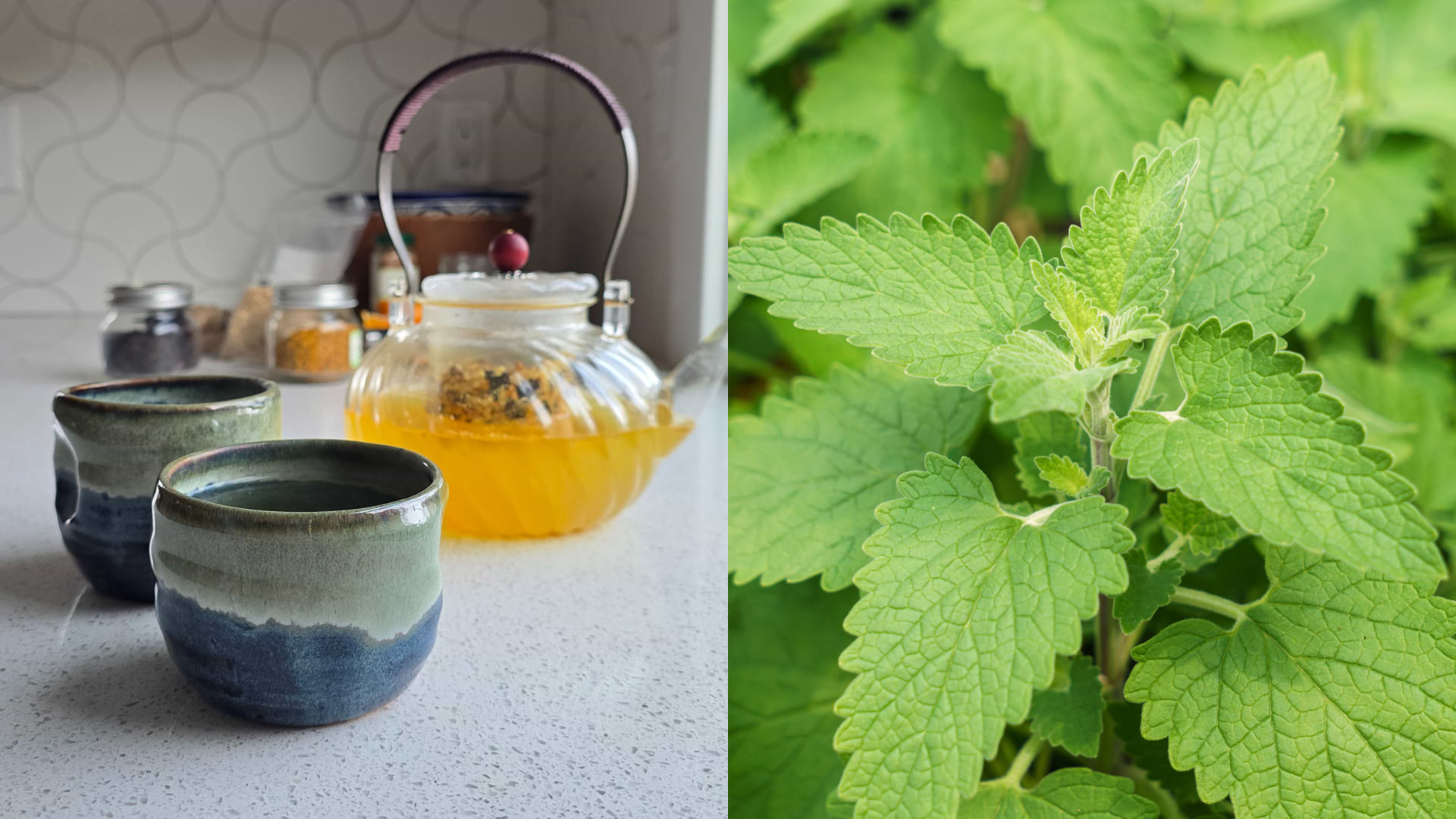
Simple Catnip Tea Ritual
One of the most traditional ways to work with catnip is as a warm infusion. This simple preparation allows you to experience the plant in its most approachable form.
To make catnip tea, add 1 to 2 teaspoons of dried catnip leaf to a cup of hot water. Cover and let it steep for 10 to 15 minutes to preserve the aromatic compounds. Strain and enjoy warm.
You can drink this tea on its own or add a small amount of honey to soften the flavor. For a more rounded blend, catnip pairs well with chamomile for deeper relaxation or fennel for added digestive support.
Many herbalists return to this simple preparation again and again. Not because it is complicated, but because it works in a steady and reliable way when used consistently over time.
WishGarden Herbs Formulas Featuring Catnip
Digestive Rescue: Occasional upset stomachs and digestive issues can really put a bad spin on your day. These fast-acting herbs can be used before, during, or after a meal to help the stomach and digestive system come back into harmony.
Digestive Rescue for Kids: Upset tummies make for upset children. Digestive Rescue GI Normalizer for Kids helps to support healthy digestive function while soothing common discomforts in the moment. Specially formulated for a kiddo's more sensitive systems.
Colic Ease: Colic is no fun for baby or parents alike. Find support for your sweet one with Colic Ease. This unique herbal blend is lovingly crafted for use on newborns to support a healthy GI tract and soothe infant gas discomfort.
Cramp Release: As a company with midwifery roots, we know the special needs of women. Cramp Release is made specifically to calm the uterine tissue and soothe menstrual cramps.
Your New Favorite Herb (Sorry, Cats)
Catnip may not be flashy, but it is deeply reliable. It offers steady support for relaxation, encourages natural sleep rhythms, and promotes digestive comfort in a way that feels approachable and easy to integrate into daily life. While it is often overlooked because of its association with cats, herbal traditions tell a very different story. This is a plant that has earned its place through centuries of consistent use, quietly showing up wherever gentle, dependable support is needed.
Catnip is best understood through experience over time. Many people find that simply working with the tea and noticing subtle shifts in how they feel offers its own kind of clarity. This is often how herbalism unfolds, not as something to follow step by step, but as a relationship that develops through observation, consistency, and trust in what the body reflects back.
Whether used on its own or as part of a thoughtfully crafted blend, catnip remains a valuable and accessible addition to any herbal toolkit.
Taylor Stewart studied herbal medicine through PrairieWise Herbal School and The Herbal Academy. She’s passionate about sharing the gifts of plant medicine and how herbs can help us live more in tune with our bodies. She is the Practitioner Sales Specialist and a Customer Journey Representative at WishGarden Herbs.
For educational purposes only. This information has not been evaluated by the Food and Drug Administration. This information is not intended to diagnose, treat, cure, or prevent any disease, or to sell any product.